Summary
Geriatric care is specialized healthcare and support designed specifically for older adults. It focuses not only on treating illnesses, but also on improving quality of life, maintaining independence, managing age-related conditions, and supporting emotional well-being as people grow older.
Unlike general healthcare, geriatric care addresses the unique physical, mental, emotional, and social challenges that often come with aging. This can include chronic disease management, mobility support, dementia care, rehabilitation, medication management, and daily living assistance.
As India’s senior population continues to grow, geriatric care is becoming increasingly important for families trying to ensure aging parents receive safe, dignified, and appropriate support. Platforms like Senior Care Joy help families better understand elder care options and connect with trusted services designed specifically for seniors.
What Does Geriatric Care Mean?
The term “geriatric care” refers to healthcare and supportive services tailored to the needs of older adults, usually those aged 60 years and above.
The goal is not simply to extend life, but to help seniors:
- Stay independent for as long as possible
- Manage health conditions effectively
- Reduce hospitalizations and complications
- Maintain emotional and cognitive well-being
- Improve overall quality of life
Geriatric care often combines medical care with lifestyle, rehabilitation, emotional support, and caregiving services.
Why Is Specialized Care Needed for Seniors?
Aging changes how the body responds to illness, medication, stress, and recovery.
Older adults often experience multiple health conditions at the same time, such as:
- Diabetes
- Hypertension
- Arthritis
- Heart disease
- Memory-related conditions
- Reduced mobility
Unlike younger adults, seniors may also recover more slowly from surgeries, infections, or injuries.
This makes aging-related healthcare more complex and interconnected.
For example:
A minor fall in an older adult may lead to:
- Reduced mobility
- Fear of walking independently
- Social isolation
- Declining confidence
Geriatric care focuses on understanding these wider impacts rather than treating only one symptom at a time.
What Services Are Included in Geriatric Care?
Geriatric care can involve a wide range of healthcare and support services depending on a senior’s needs.
Common Areas of Geriatric Care
| Service Area | Purpose |
|---|---|
| Chronic disease management | Monitoring long-term conditions |
| Physiotherapy & rehabilitation | Improving mobility and recovery |
| Dementia & memory care | Supporting cognitive health |
| Medication management | Preventing incorrect medication use |
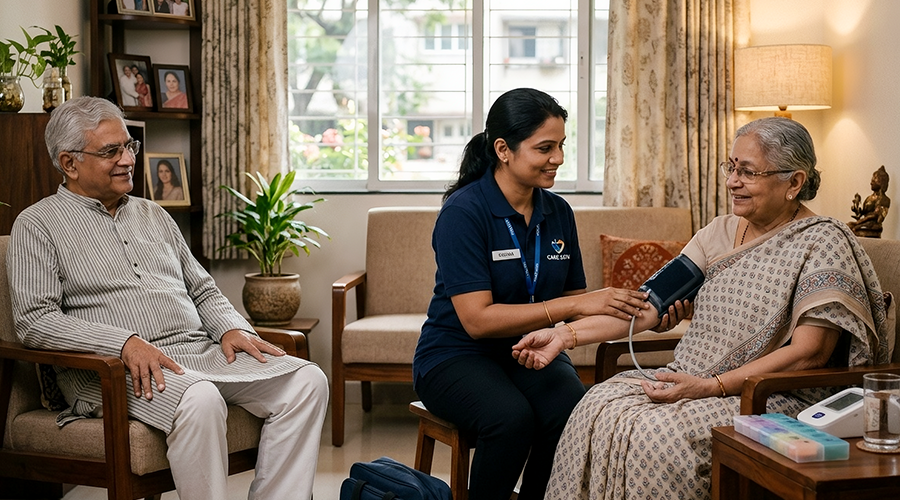
| Home healthcare | Medical support at home |
| Nutrition guidance | Managing age-related dietary needs |
| Emotional & mental health support | Reducing loneliness and depression |
| Assisted living support | Safe residential care for seniors |
Many seniors may require a combination of these services rather than a single type of care.
How Is Geriatric Care Different From General Healthcare?
General healthcare often focuses on diagnosing and treating diseases individually.
Geriatric care takes a broader approach.
Key Differences
| General Healthcare | Geriatric Care |
|---|---|
| Treats isolated illnesses | Focuses on overall aging health |
| Short-term treatment focus | Long-term quality-of-life focus |
| Disease-centered | Person-centered |
| Limited functional assessment | Includes mobility, memory, emotional health |
| Standard treatment plans | Age-sensitive care plans |
This holistic approach becomes especially important when seniors experience multiple overlapping health concerns.
What Health Challenges Do Geriatric Specialists Commonly Handle?
Geriatric doctors and care teams are trained to understand conditions commonly associated with aging.
Common Issues Addressed
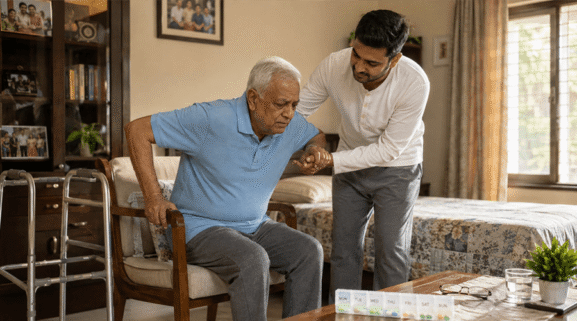
1. Mobility and Fall Risks
Falls are one of the leading causes of injury among older adults.
Geriatric care focuses on:
- Balance improvement
- Physiotherapy
- Home safety recommendations
- Mobility aids
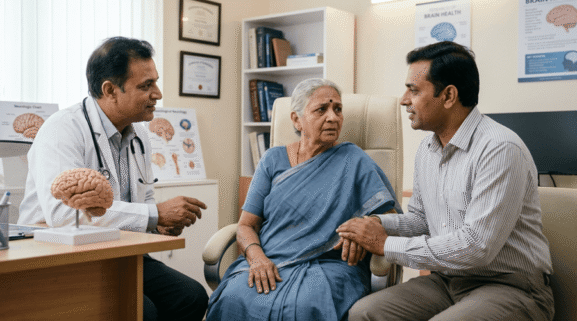
2. Memory and Cognitive Changes
Seniors may experience:
- Mild cognitive decline
- Dementia
- Alzheimer’s disease
- Confusion linked to medications or illness
Early assessment helps families plan support more effectively.
3. Medication Management
Older adults often take multiple medications simultaneously.
This increases the risk of:
- Side effects
- Drug interactions
- Incorrect dosage use
Geriatric care includes regular medication review and monitoring.
4. Emotional and Mental Health
Loneliness, grief, retirement adjustment, and social isolation can affect senior mental health significantly.
Geriatric care increasingly includes:
- Emotional counseling
- Social engagement support
- Wellness programs
- Community interaction
This reflects growing awareness that healthy aging includes emotional well-being, not only physical health.
Why Is Geriatric Care Becoming More Important in India?
India’s aging population is growing rapidly.
According to demographic projections, the number of Indians aged 60+ is expected to rise significantly over the coming decades.
Several factors are driving the need for geriatric care:
- Longer life expectancy
- Increase in chronic diseases
- Nuclear family structures
- Migration of younger family members to other cities or countries
- Seniors living independently for longer periods
As a result, families increasingly require structured elder care support systems.
Cities such as Delhi NCR, Mumbai, Bangalore, Hyderabad, Pune, and Chennai are already seeing rapid growth in:
- Home healthcare services
- Assisted living facilities
- Rehabilitation centers
- Professional caregiving services
Platforms like Senior Care Joy are helping families navigate these growing care options with greater clarity and confidence.
When Should Families Consider Geriatric Care?
Many families wait until a medical emergency occurs before seeking specialized support.
However, geriatric care is often most effective when introduced earlier.
Signs That Additional Support May Be Needed
| Sign | Possible Concern |
|---|---|
| Frequent falls | Mobility decline |
| Missed medications | Memory or routine challenges |
| Social withdrawal | Emotional or cognitive concerns |
| Difficulty managing daily tasks | Reduced independence |
| Repeated hospital visits | Chronic health management issues |
Early support can help seniors maintain independence for longer while preventing avoidable complications.
Does Geriatric Care Only Mean Nursing or Assisted Living?
No.
One of the biggest misconceptions is that geriatric care only applies to severe illness or old age homes.
In reality, it may include:
- Preventive healthcare
- Regular monitoring
- Wellness support
- Physiotherapy
- Nutrition planning
- Home visits by doctors
- Emotional and social support
Many seniors receiving geriatric care continue living independently at home.
The Human Side of Geriatric Care
Good geriatric care is not only about managing diseases.
It is about helping seniors:
- Feel respected
- Stay socially connected
- Retain confidence
- Preserve independence where possible
For many families, the goal is not simply adding years to life, but helping loved ones age with comfort, dignity, and emotional security.
That is why modern elder care increasingly combines healthcare with companionship, rehabilitation, mental wellness, and family support.
Closing Summary
Geriatric care is specialized support designed to meet the complex physical, emotional, cognitive, and social needs of older adults. It goes beyond traditional medical treatment by focusing on quality of life, independence, and healthy aging.
As India’s aging population grows, geriatric care is becoming an essential part of family healthcare planning. From chronic disease management and rehabilitation to emotional support and home healthcare, these services help seniors live more safely and comfortably.
Resources and platforms like Senior Care Joy help families better understand elder care options and connect with trusted services that support dignified and compassionate aging.
Key Takeaways
- Geriatric care is specialized healthcare designed for seniors.
- It focuses on quality of life, independence, and long-term well-being.
- Services may include home healthcare, rehabilitation, dementia care, and emotional support.
- Aging-related healthcare differs from general healthcare due to complex overlapping conditions.
- Early geriatric care can help prevent complications and improve daily life.
- India’s growing senior population is increasing demand for structured elder care services.