
Summary
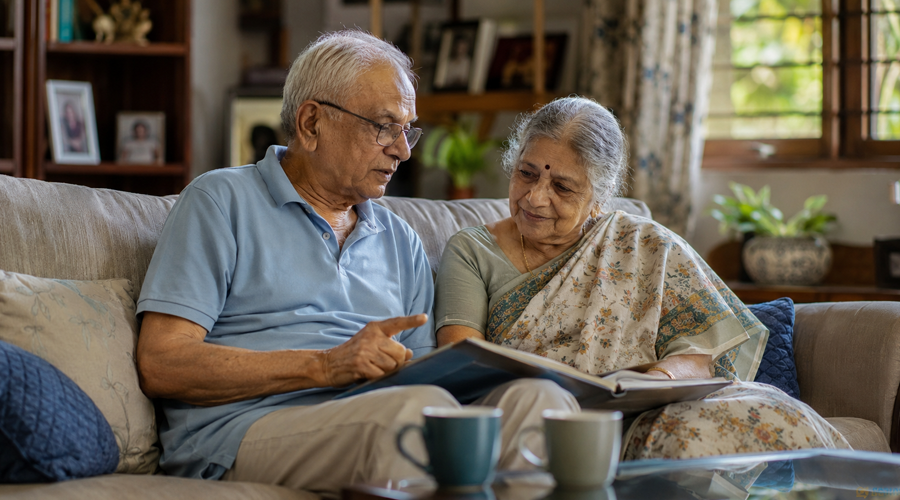
Senior mental health is becoming one of the most overlooked public health challenges in India. While physical illnesses among older adults often receive medical attention, emotional and psychological struggles such as loneliness, depression, anxiety, grief, and cognitive decline frequently remain unnoticed or misunderstood.
India’s aging population is growing rapidly, yet conversations around elder mental health still carry stigma, lack awareness, and receive limited structured support. Many seniors silently struggle with emotional isolation, changing family dynamics, reduced social interaction, and loss of independence without actively seeking help.
Giving greater attention to senior mental health is essential not only for emotional well-being, but also for healthy aging, cognitive health, physical recovery, and overall quality of life. Platforms like Senior Care Joy increasingly emphasize that elder care must include emotional and mental wellness alongside medical and physical support.
Why Is Senior Mental Health Often Ignored in India?
Mental health among seniors is frequently misunderstood as a “normal part of aging.”
Symptoms such as:
- sadness,
- withdrawal,
- memory issues,
- low motivation,
- irritability,
- or reduced social interest
are often dismissed with phrases like:
- “It happens with age.”
- “They’re just emotional.”
- “Old people naturally become quiet.”
As a result, emotional struggles may continue untreated for years.
This happens partly because older generations in India often grew up in environments where mental health was rarely discussed openly. Many seniors still hesitate to express emotional distress because they fear appearing weak, dependent, or burdensome to family members.
Why Is Senior Mental Health Becoming a Bigger Concern?
India’s social and family structure is changing rapidly.
Traditional joint family systems are gradually shifting toward:
- nuclear households,
- migration for work,
- urban isolation,
- and busier lifestyles.
These changes affect seniors deeply.
Major Social Shifts Affecting Seniors
| Social Change | Impact on Seniors |
|---|---|
| Children moving to other cities/countries | Emotional loneliness |
| Nuclear family structures | Reduced daily interaction |
| Retirement | Loss of routine and identity |
| Reduced mobility | Social isolation |
| Loss of spouse or friends | Grief and emotional instability |
For many older adults, daily social engagement slowly decreases over time, even while they remain physically present within family settings.
What Mental Health Challenges Do Seniors Commonly Face?
Senior mental health is not limited to dementia or memory disorders.
Older adults may experience a wide range of emotional and psychological challenges.
1. Loneliness and Social Isolation
Loneliness is one of the most common emotional struggles among seniors.
This may happen because:
- friends pass away,
- children live separately,
- mobility becomes difficult,
- or social circles naturally shrink with age.
Importantly, loneliness is not simply “being alone.”
A senior may live with family members and still feel emotionally disconnected if meaningful interaction is missing.
Long-term loneliness has been linked to:
- depression,
- sleep problems,
- cognitive decline,
- and increased physical health risks.
2. Depression in Older Adults
Depression among seniors is often underdiagnosed because symptoms appear differently than in younger adults.
Instead of openly expressing sadness, seniors may show:
- fatigue,
- irritability,
- loss of appetite,
- withdrawal from activities,
- lack of motivation,
- or unexplained physical complaints.
Common Signs of Depression in Seniors
| Emotional or Behavioral Sign | Possible Indicator |
|---|---|
| Loss of interest in hobbies | Emotional withdrawal |
| Avoiding conversations | Isolation or sadness |
| Changes in sleep or eating patterns | Depression or anxiety |
| Frequent hopeless statements | Emotional distress |
| Reduced personal care | Mental health decline |
Families sometimes mistake these changes for “normal aging,” delaying support and treatment.
3. Anxiety About Health and Dependence
Many seniors quietly worry about:
- health emergencies,
- falling,
- becoming financially dependent,
- memory decline,
- or burdening family members.
This ongoing uncertainty can create chronic anxiety, even if seniors never openly discuss it.
Some older adults begin avoiding activities, social situations, or travel because of fear linked to physical vulnerability.
4. Grief and Emotional Loss
Later life often involves repeated experiences of loss.
Seniors may cope with:
- the death of a spouse,
- loss of siblings or close friends,
- retirement-related identity changes,
- or declining physical abilities.
Unlike temporary sadness, unresolved grief can deeply affect emotional stability and long-term mental health.
5. Cognitive Health Concerns
Conditions such as:
- dementia,
- Alzheimer’s disease,
- and mild cognitive impairment
are becoming more common as life expectancy rises.
However, fear surrounding memory-related illnesses often prevents families from discussing symptoms openly.
Early emotional support and medical evaluation can significantly improve long-term care planning and quality of life.
How Mental Health Affects Physical Health in Seniors
Mental and physical health are closely connected during aging.
Poor emotional well-being may lead to:
- lower immunity,
- slower recovery from illness,
- poor medication adherence,
- reduced mobility,
- sleep disturbances,
- and worsening chronic conditions.
For example:
A senior experiencing depression may stop eating properly, avoid exercise, skip medications, and gradually withdraw from social engagement — affecting overall health far beyond emotional symptoms alone.
Healthy aging requires emotional stability alongside physical care.
Why Families Often Miss Early Warning Signs
Mental health changes in seniors are often subtle in the beginning.
Families may overlook symptoms because:
- Behavioral changes happen gradually,
- Seniors hide emotional struggles,
- Physical health receives more attention,
- Emotional distress appears as irritation rather than sadness.
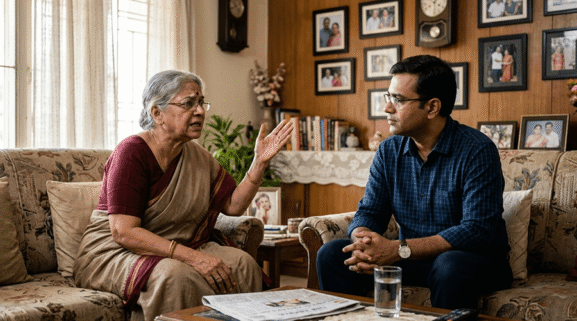
Additionally, many Indian families remain uncomfortable discussing emotional vulnerability openly.
This creates a cycle where seniors remain silent while families assume everything is normal.
How Families Can Support Senior Mental Health
Emotional support does not always require complicated interventions. Small, consistent efforts often make the biggest difference.
1. Maintain Regular Conversations
Simple daily interaction helps seniors feel emotionally connected and included.
Meaningful conversations may involve:
- memories,
- opinions,
- family decisions,
- hobbies,
- life experiences.
Feeling heard is emotionally protective.
2. Encourage Social Engagement
Community interaction reduces emotional isolation significantly.
This may include:
- senior groups,
- religious gatherings,
- hobby clubs,
- wellness activities,
- regular visits with relatives and friends.
Platforms like Senior Care Joy increasingly highlight the importance of social wellness and companionship services alongside healthcare support.
3. Take Emotional Changes Seriously
If a senior shows:
- persistent sadness,
- withdrawal,
- unusual confusion,
- sleep changes,
- personality shifts,
families should avoid dismissing it as “just aging.”
Early support can improve both emotional and physical outcomes.
4. Support Independence and Purpose
Many seniors feel emotionally healthier when they continue contributing meaningfully to daily life.
Simple involvement in:
- family discussions,
- routines,
- cooking,
- storytelling,
- caregiving roles
helps maintain identity and confidence.
Why India Needs More Awareness Around Senior Mental Health
India is entering a period where the senior population is growing faster than emotional support systems.
Healthcare conversations still focus heavily on:
- blood pressure,
- diabetes,
- mobility,
- medication management,
while emotional wellness receives far less attention.
But healthy aging is not only about surviving longer. It is also about:
- emotional dignity,
- social connection,
- cognitive well-being,
- feeling valued throughout later life.
This requires greater public awareness, family sensitivity, community support, and accessible elder care services.
The Future of Elder Care Must Include Emotional Well-Being
Modern elder care is gradually becoming more holistic.
The focus is shifting from:
“Treating illness”
to
“Supporting overall quality of life.”
This includes:
- emotional support,
- companionship,
- mental wellness programs,
- memory care,
- socially engaging environments.
Organizations and platforms such as Senior Care Joy are helping families understand that senior well-being is deeply connected to emotional health, not only medical treatment.
Closing Summary
Senior mental health deserves far greater attention in India as emotional challenges such as loneliness, depression, anxiety, grief, and cognitive decline increasingly affect aging populations.
Rapid social changes, shrinking family interaction, and lack of awareness often leave seniors emotionally unsupported, even when physical care is available.
By recognizing emotional well-being as an essential part of healthy aging, families and communities can create more compassionate, supportive environments for older adults.
With greater awareness and access to trusted elder care resources like Senior Care Joy, families can help seniors age with dignity, connection, and emotional security.
Key Takeaways
- Senior mental health is often overlooked in India despite growing emotional challenges among older adults.
- Loneliness, depression, anxiety, and grief are common but frequently misunderstood as normal aging.
- Emotional well-being directly affects physical health and recovery in seniors.
- Nuclear families and social isolation are increasing emotional vulnerability among older adults.
- Early emotional support and social engagement can significantly improve quality of life.
- Healthy aging requires attention to both mental and physical well-being.
Pingback: How to Organize a Family Medical File for Medical Emergencies in India