Summary
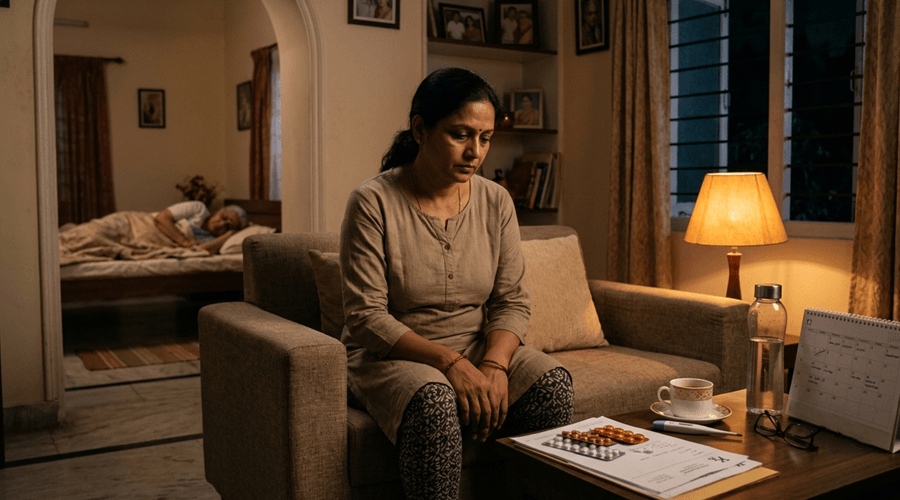
Your parent is finally asleep.
The medicines have been given. The doctor’s appointment is booked. Medical reports are neatly organized. Dinner has been prepared. Another day of caregiving is complete.
The phone rings.
“How is Dad doing?”
“How’s your mother feeling today?”
They’re important questions—but there’s one question that often goes unasked:
“How are you doing?”
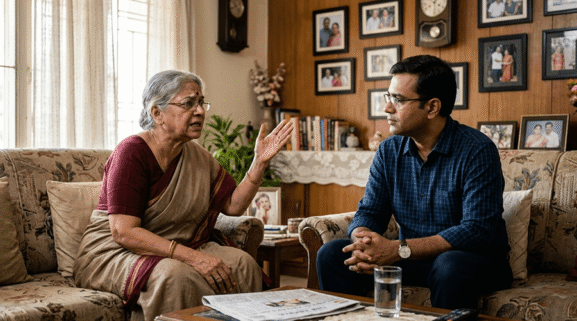
Behind many older adults receiving care is a family member quietly carrying the emotional, physical, and mental weight of caregiving. They may be an adult son or daughter, a spouse, a sibling, or even a grandchild. Most don’t think of themselves as caregivers. They simply believe they’re doing what any family member would do.
But over time, the responsibility of caring for someone else can begin to affect their own health. Sleep becomes irregular. Stress builds. Personal appointments are postponed. Relationships become strained. The caregiver’s needs slowly move to the bottom of the priority list.
At Senior Care Joy, we believe supporting seniors also means supporting the people who care for them. Because a caregiver’s well-being is not separate from quality care—it is part of it.
Why Many Caregivers Don’t Realize They’re Caregivers
Ask someone caring for an aging parent if they consider themselves a caregiver, and many will answer:
“I’m just helping my mother.”
“I’m only doing what needs to be done.”
“It’s my responsibility.”
This mindset comes from love and commitment, but it can also make people overlook how much responsibility they have taken on.
Caregiving often includes:
- Managing medications
- Scheduling doctor visits
- Coordinating hospital appointments
- Helping with daily activities
- Handling finances and paperwork
- Providing emotional support
- Responding to emergencies
When these responsibilities become part of everyday life, it’s easy to forget they require time, energy, and emotional resilience.
The Hidden Cost of Caregiving
Caregiving can be deeply meaningful, but it can also be physically and emotionally demanding.
Many caregivers balance multiple roles at the same time.
They may be:
- Working full-time
- Raising children
- Managing a household
- Supporting an aging parent
- Looking after their own health
Over weeks, months, or years, this constant balancing act can take a toll.
Unlike sudden illness, caregiver stress usually builds slowly, making it difficult to recognize until exhaustion has already set in.
Signs of Caregiver Burnout
Burnout doesn’t happen overnight.
It often begins with small changes that gradually become part of daily life.
Physical Signs
The body is often the first to signal that something is wrong.
Watch for:
- Constant fatigue
- Frequent headaches
- Muscle tension
- Poor sleep
- Changes in appetite
- Low energy throughout the day
- More frequent illnesses
These symptoms may be easy to dismiss, but they shouldn’t be ignored.
Mental Signs
Continuous caregiving can affect concentration and emotional resilience.
Common signs include:
- Difficulty focusing
- Forgetfulness
- Feeling mentally overwhelmed
- Constant worry
- Racing thoughts
- Trouble making decisions
Many caregivers describe it as feeling mentally “switched on” all the time, even when trying to rest.
Emotional Signs
Emotional exhaustion can be the hardest to recognize.
Some caregivers experience:
- Anxiety
- Irritability
- Guilt
- Helplessness
- Frustration
- Sadness
- Resentment
Feeling frustrated doesn’t mean someone loves their parents any less.
It often means they have been carrying too much for too long without enough support.
Why Caregivers Ignore Their Own Health
Many caregivers know they’re exhausted.
Yet they still postpone looking after themselves.
Why?
“There’s No Time.”
Between appointments, medications, work, and family responsibilities, personal health often feels like something that can wait.
Unfortunately, it usually keeps getting postponed.
Guilt
Many caregivers struggle with thoughts like:
“How can I take a break when my parents need me?”
“Spending time on myself feels selfish.”
This guilt prevents many people from asking for help—even when they desperately need it.
Fear of Letting Go
Some caregivers worry that no one else will provide the same level of care.
As a result, they rarely delegate responsibilities, increasing their own stress.
Family Expectations
In many families, caregiving quietly falls to one person.
Often, it’s the family member who lives closest, has the most flexible schedule, or has simply always been the dependable one.
Without clear conversations, responsibilities can become unevenly distributed.
The Silent Depression of Caregiving
Caregiver burnout isn’t only about feeling tired.
For some people, it gradually affects emotional well-being.
Caregivers may begin to:
- Lose interest in activities they once enjoyed
- Withdraw from friends
- Feel emotionally numb
- Cry more easily
- Experience persistent sadness
- Feel isolated despite being surrounded by people
Because all their attention is focused on the person receiving care, these changes often go unnoticed.
Many tell themselves they’ll rest “once things settle down.”
But caregiving rarely follows a predictable timeline.
Looking after your emotional health is not something that should be postponed indefinitely.
Why Supporting the Caregiver Helps the Senior Too
A caregiver’s health directly affects the quality of care they can provide.
When caregivers are exhausted, they may find it harder to:
- Stay patient
- Make important decisions
- Remember medications
- Respond calmly during emergencies
- Maintain their own physical health
Looking after yourself isn’t about stepping away from your loved one.
It’s about ensuring you have the strength to continue supporting them.
Practical Ways to Prevent Caregiver Burnout
Small, consistent changes can make caregiving more sustainable.
Ask for Help
Caregiving doesn’t have to be done alone.
Family members, friends, neighbors, or community organizations may be able to assist with specific tasks.
Even occasional support can make a meaningful difference.
Create a Family Caregiving Rotation
Instead of relying on one person, divide responsibilities.
For example:
| Responsibility | Family Member |
|---|---|
| Medical appointments | One sibling |
| Grocery shopping | Another family member |
| Weekly check-ins | Relative living nearby |
| Financial paperwork | Trusted family member |
Sharing responsibilities reduces both stress and resentment.
Take Regular Breaks
Rest is part of caregiving—not a reward for finishing it.
Even short breaks can help restore emotional energy.
Consider:
- A daily walk
- Reading for 20 minutes
- Meeting a friend
- Practicing meditation
- Enjoying a hobby
Small moments of recovery matter.
Consider Professional Respite Care
There may be times when temporary professional support is the healthiest option for everyone involved.
Home healthcare providers, trained caregivers, or short-term respite services can give family caregivers time to rest, attend personal appointments, or simply recharge.
Exploring these options isn’t a sign of failure—it’s a practical way to sustain long-term caregiving.
Prioritize Sleep and Physical Health
Simple habits make a difference.
Aim to:
- Maintain a regular sleep schedule
- Stay physically active
- Eat balanced meals
- Keep up with your own medical appointments
Caregivers often encourage loved ones to follow medical advice while forgetting to follow it themselves.
Remember: You Matter Too
Caring for an aging parent is one of life’s most meaningful responsibilities.
But caregivers are human too.
They need:
- Rest
- Encouragement
- Emotional support
- Time for themselves
- Someone to ask how they’re doing
Supporting the caregiver isn’t taking attention away from the senior.
It strengthens the entire caregiving journey.
Senior Care Joy Perspective
At Senior Care Joy, we believe healthy caregiving begins with healthy caregivers.
Families often focus entirely on the needs of the older adult, forgetting that the person providing daily care may also be struggling.
Whether it’s sharing responsibilities, seeking professional support, or simply taking time to rest, every caregiver deserves care too.
Because a tired caregiver cannot provide sustainable care. Taking care of yourself is not selfish—it is part of taking care of your loved one.
Closing Summary
Behind every senior receiving care is often a family member quietly carrying the emotional and physical responsibilities of caregiving. While the focus naturally remains on the older adult, caregivers frequently neglect their own health, leading to exhaustion, stress, and burnout.
Recognizing the signs early, sharing responsibilities, asking for help, and making time for personal well-being are essential—not only for caregivers themselves but also for the loved ones who depend on them.
At Senior Care Joy, we encourage families to remember that compassionate caregiving starts with compassion for yourself. Caring for your own health isn’t a distraction from your caregiving role—it’s what allows you to continue it with strength, patience, and love.
Key Takeaways
- Many family caregivers don’t realize the physical and emotional impact caregiving has on their own health.
- Burnout can appear through fatigue, poor sleep, anxiety, irritability, and emotional exhaustion.
- Guilt, family expectations, and lack of time often prevent caregivers from seeking help.
- Sharing responsibilities and taking regular breaks can make caregiving more sustainable.
- Professional respite care can provide valuable support during demanding periods.
- Looking after your own well-being helps you provide better care for your loved one.