
Summary
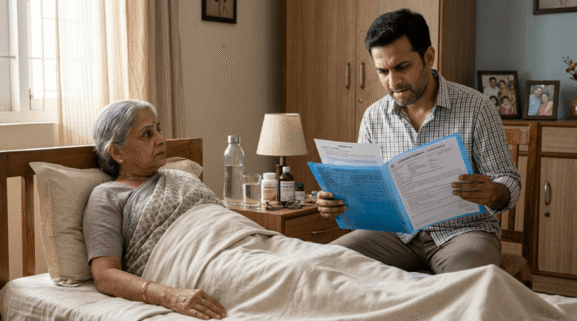
Nothing exposes the chaos of unorganized medical records quite like a 2 AM emergency room visit.
A doctor asks about medications. A nurse needs the latest discharge summary. The hospital requests insurance documents, previous scans, blood group details, or information about a pacemaker. In that stressful moment, families often find themselves scrolling through phones, searching old WhatsApp chats, opening emails, or calling relatives for information they thought they had somewhere.
Medical emergencies are already overwhelming. Searching for essential documents shouldn’t make them harder.
Creating a well-organized family medical file is one of the simplest yet most valuable steps families can take to prepare for unexpected health situations. It helps healthcare professionals make faster decisions, reduces unnecessary delays, and gives caregivers one less thing to worry about during a crisis.
At Senior Care Joy, we believe emergency preparedness isn’t just about knowing where the nearest hospital is—it’s also about ensuring the right medical information is available exactly when it’s needed.
Why Every Family Should Have a Medical Emergency File
Medical emergencies rarely happen at convenient times.
They often occur:
- Late at night
- During travel
- When different family members are present
- During sudden hospital admissions
In these situations, healthcare providers may immediately ask for important medical information before beginning treatment.
Without organized records, families may struggle to remember:
- Current medications
- Previous surgeries
- Existing medical conditions
- Treating doctor’s contact details
- Insurance information
Even a few minutes spent searching can feel overwhelming during an emergency.
A prepared medical file allows families to focus on supporting their loved one instead of hunting for paperwork.
What Should Be Included in a Family Medical File?
Think of the medical file as a complete health profile that can quickly answer the questions doctors are likely to ask.
Essential Medical Documents Checklist
| Document | Why It Matters |
|---|---|
| Government ID (Aadhaar, PAN or Passport) | Patient identification |
| Health insurance card & policy details | Faster admission and claim processing |
| Blood group information | Helpful during emergencies |
| Recent discharge summaries | Provides medical history |
| Latest laboratory reports | Helps compare current condition |
| X-rays, CT scans, MRI reports (recent) | Supports clinical decisions |
| Current prescription | Shows ongoing treatment |
| Complete medication list | Prevents duplicate or unsafe medicines |
| Allergy information | Avoids allergic reactions |
| Vaccination records (if applicable) | Useful for medical assessment |
Updating these records regularly ensures healthcare teams receive the most accurate information.
Don’t Forget Medical Device Records
Many seniors live with implanted medical devices that emergency teams need to know about immediately.
Keep copies of documents related to:
- Pacemaker
- CRT-D (Cardiac Resynchronization Therapy Defibrillator)
- Coronary stents
- Artificial joints (hip or knee replacements)
- Heart valve replacements
- Cochlear implants
- Other implanted medical devices
If available, include the implant card provided by the hospital or manufacturer.
Maintain a Complete Medication List
Medication changes happen frequently, especially among older adults managing multiple health conditions.
Instead of relying on memory, prepare an updated medication sheet.
Include:
- Medicine name
- Dosage
- Timing
- Reason for taking it
- Prescribing doctor
Example:
| Medicine | Dose | Frequency | Purpose |
|---|---|---|---|
| Amlodipine | 5 mg | Once daily | Blood pressure |
| Metformin | 500 mg | Twice daily | Diabetes |
| Aspirin | 75 mg | Once daily | Heart health |
This simple document can help doctors avoid medication errors during emergencies.
Download NowKeep Important Doctor and Hospital Contacts Together
Families often know doctors by name but may not remember phone numbers during stressful situations.
Maintain a contact sheet with:
- Family physician
- Cardiologist
- Neurologist
- Orthopaedic specialist
- Geriatrician
- Preferred hospital
- Nearby pharmacy
- Emergency family contacts
Having everything in one place saves valuable time.
Physical or Digital: Which Is Better?
The best approach is not choosing one over the other—it is using both.
Physical File
Keep a clearly labelled folder in an easily accessible location.
Advantages:
- No internet required
- Easy for ambulance staff or family members to locate
- Useful during hospital admission
Store it somewhere known to all family members.
Digital Copies
Digital records provide backup and can be accessed from almost anywhere.
Families can use:
- Google Drive
- OneDrive
- Dropbox
- Secure cloud storage
- Email backups
Create folders such as:
- Reports
- Scans
- Prescriptions
- Insurance
- Bills
Giving trusted family members access can be especially helpful when children live in another city or abroad.
A Dedicated WhatsApp Folder
Many hospitals now share reports digitally.
Instead of searching through months of chats, create a dedicated approach:
- Star important medical documents
- Save PDFs in a separate folder
- Create a private WhatsApp group for immediate family to store medical reports only
This makes reports much easier to retrieve when needed.
Download NowCreate the Senior Care Joy Medical Emergency Folder
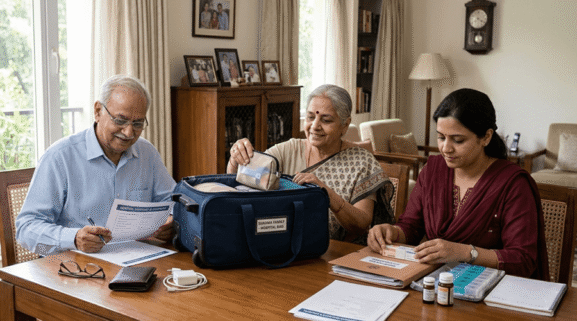
Every family should have one easily accessible folder dedicated to emergencies.
Recommended Folder Contents
1. Patient Summary Sheet
Include:
- Full name
- Date of birth
- Blood group
- Existing medical conditions
- Emergency contacts
- Primary doctor’s details
This acts as a one-page overview for hospital staff.
2. Medication List
Maintain an updated list of all regular medications and allergies.
Review it whenever prescriptions change.
3. Latest Medical Reports
Keep copies of:
- Blood investigations
- ECG
- Echocardiogram
- Chest X-rays
- CT or MRI scans
- Specialist consultation notes
Focus on the most recent reports unless older records are clinically important.
4. Insurance Documents
Include:
- Health insurance card
- Policy number
- Third-party administrator (TPA) details
- Customer support numbers
Quick access can speed up admission and claims.
5. Identity Documents
Keep photocopies of:
- Aadhaar Card
- PAN Card
- Passport (if available)
These are frequently requested during hospital registration.
When Should You Update the File?
A medical file is only useful if it stays current.
Review it:
- Every three to six months
- After hospital discharge
- When medications change
- After surgery
- When a new diagnosis is made
- After changing insurance policies
Regular updates prevent confusion during emergencies.
A Simple Habit That Can Save Valuable Time
Organizing health records may seem like a task that can wait until tomorrow.
But emergencies rarely wait.
A family that spends one hour organizing documents today could save critical time when every minute matters.
More importantly, clear medical information helps healthcare teams make informed decisions faster, reducing unnecessary delays during treatment.
Download Your Free Senior Care Joy Medical Records Checklist
To help families stay prepared, Senior Care Joy recommends creating a simple emergency records folder for every senior in the household.
The Senior Care Joy Medical Records Checklist includes:
- Personal Information Summary
- Current Medication List
- Medical History Tracker
- Emergency Contact Sheet
- Insurance Details
- Hospital Visit Record
- Annual Review Checklist
Keep one printed copy at home and one digital version securely backed up for easy access.
Closing Summary
Preparing for a medical emergency isn’t only about knowing where to go—it’s about having the right information ready when healthcare professionals need it most.
A well-organised medical file helps doctors understand a senior’s health history quickly, reduces unnecessary delays, and eases the burden on families during stressful moments.
Whether stored in a printed folder, a secure cloud drive, or both, maintaining up-to-date medical records is one of the most practical ways to prepare for unexpected situations.
At Senior Care Joy, we encourage every family to take this small but meaningful step. A few hours spent organizing today can bring greater confidence, clarity, and peace of mind when it matters most.
Key Takeaways
- Every family should maintain a dedicated medical emergency file for older adults.
- Include discharge summaries, medication lists, implant records, insurance documents, and emergency contacts.
- Keep both printed and digital copies for easy access.
- Update the file regularly after hospital visits, medication changes, or new diagnoses.
- A well-organized medical file helps healthcare teams make faster and safer treatment decisions.
- The Senior Care Joy Medical Emergency Folder™ provides a simple framework to help families stay prepared.