Summary
After days—or sometimes weeks—in the hospital, the moment finally arrives.
A doctor says, “Your parent is ready to go home.”
Relief washes over the family. Everyone is eager to leave. Discharge papers are signed, medications are collected, and the focus shifts to getting home as quickly as possible.
But once the excitement fades, reality begins to set in.
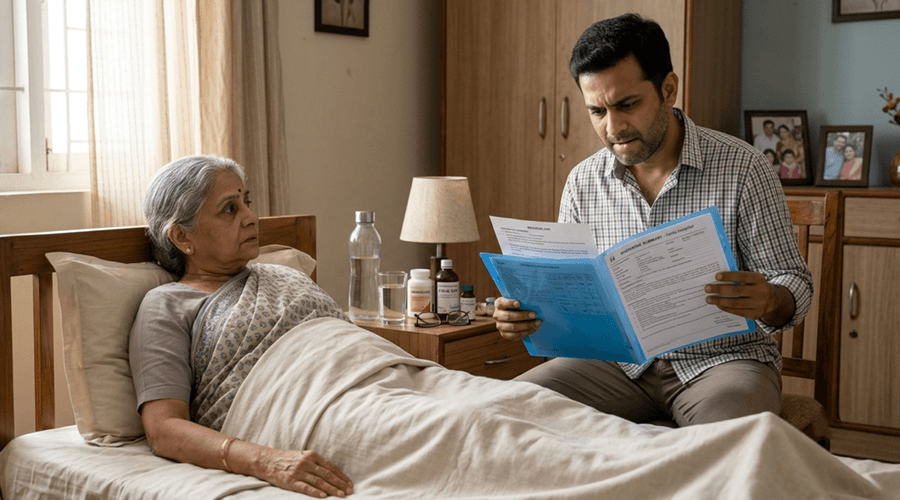
“How often should these medicines be taken?”
“Can they climb stairs?”
“What if the wound starts bleeding?”
“Who do we call if something goes wrong tonight?”
“When is the next follow-up appointment?”
These are questions many families only think about after they’ve left the hospital.
Hospital discharge isn’t the end of treatment—it’s the beginning of recovery. The conversations that happen before leaving can significantly influence how safely and confidently that recovery unfolds.
In this guide, we’ll explore the most important questions families often forget to ask before discharge and why getting clear answers can help prevent unnecessary stress, confusion, and avoidable hospital readmissions.
Why Hospital Discharge Is More Than Just Going Home
Many people think discharge means recovery is complete.
In reality, discharge simply means hospital-level treatment is no longer required.
Recovery often continues for days, weeks, or even months after returning home.
Older adults may still be:
- Weak after prolonged bed rest
- Recovering from surgery
- Adjusting to new medications
- Learning to manage a new diagnosis
- Requiring assistance with everyday activities
Without clear discharge instructions, families are left making important decisions on their own.
Understanding what comes next is just as important as understanding what happened during the hospital stay.
Why Families Forget to Ask Questions
It’s not because they don’t care.
Hospital discharge is often emotional and overwhelming.
Families are thinking about:
- Arranging transport
- Collecting medicines
- Completing paperwork
- Helping their loved one get home safely
- Informing relatives
- Managing work responsibilities
By the time discharge instructions are explained, many people are mentally exhausted.
It’s completely normal to forget important questions.
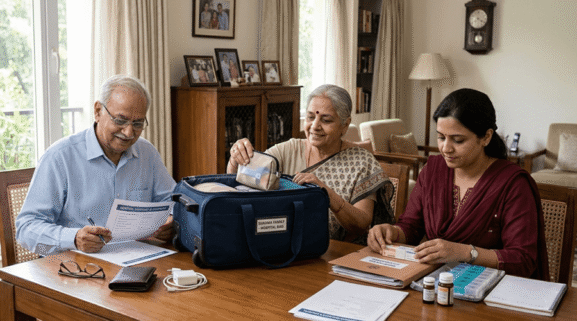
Preparing a written checklist before discharge can make these conversations much easier.
Question 1: What Exactly Was the Final Diagnosis?
Many families know their loved one was treated for “an infection” or “a heart problem.”
Few leave with a clear understanding of the actual diagnosis.
Ask:
- What condition was treated?
- Has the condition completely resolved?
- Is it temporary or long-term?
- What should we monitor at home?
Understanding the diagnosis helps families recognise warning signs and communicate more effectively with future healthcare providers.
Question 2: What Medicines Need to Be Taken at Home?
Medication mistakes are one of the most common causes of problems after hospital discharge.
Don’t assume the medicines taken before admission remain the same.
Ask:
- Which medicines should continue?
- Which medicines have been stopped?
- Have any dosages changed?
- What time should each medicine be taken?
- Should medicines be taken with food?
- Are there common side effects to watch for?
A written medication schedule can help prevent confusion, especially if multiple family members share caregiving responsibilities.
Question 3: What Warning Signs Should We Watch For?
One of the most valuable questions families can ask is:
“What symptoms mean we should seek medical help immediately?”
Depending on the condition, warning signs may include:
- Difficulty breathing
- Chest pain
- High fever
- Sudden confusion
- Excessive bleeding
- Persistent vomiting
- Severe pain
- Swelling around a surgical wound
Knowing what is expected—and what is not—helps families respond appropriately without unnecessary panic.
Question 4: What Activities Are Safe?
Returning home doesn’t automatically mean returning to normal routines.
Ask whether your loved one can safely:
- Walk without assistance
- Use stairs
- Bathe independently
- Drive
- Lift heavy objects
- Exercise
- Travel
- Cook
Understanding temporary activity restrictions reduces the risk of falls, injuries, and delayed recovery.
Question 5: What Kind of Diet Should They Follow?
Nutrition plays a major role in healing.
However, dietary recommendations often change after hospitalization.
Ask:
- Are there foods to avoid?
- Are there fluid restrictions?
- Is a high-protein diet recommended?
- Are there swallowing precautions?
- Can previous dietary habits continue?
Families should avoid making assumptions, especially after surgery or when managing conditions such as diabetes, kidney disease, or heart disease.
Question 6: Does the Home Need Any Changes?
Sometimes recovery depends as much on the home environment as the treatment received in the hospital.
Ask whether temporary modifications are recommended.
These may include:
| Home Modification | Why It May Help |
|---|---|
| Grab bars in bathrooms | Reduce fall risk |
| Raised toilet seat | Easier transfers |
| Non-slip mats | Improve safety |
| Better lighting | Reduce trips and falls |
| Temporary bedroom on ground floor | Avoid excessive stair use |
| Walking aids | Support mobility |
Simple adjustments can make daily activities safer and more comfortable.
Question 7: Will They Need Help at Home?
Not every older adult can immediately resume independent living after discharge.
Ask:
- Will someone need to stay with them?
- For how long?
- Will they need help bathing, dressing, or eating?
- Is home nursing recommended?
- Should physiotherapy continue at home?
Planning support before leaving the hospital prevents unnecessary stress later.
Question 8: When Is the Follow-Up Appointment?
Recovery doesn’t end with discharge.
Ask:
- When should we return?
- Which doctor should we see?
- Are blood tests needed?
- Will stitches need removal?
- Should imaging or scans be repeated?
Write appointments down before leaving.
Many families accidentally miss important follow-up visits simply because they were never clearly documented.
Question 9: Who Should We Contact If We Have Questions?
Problems rarely happen during hospital hours alone.
Ask:
- Is there a hospital helpline?
- Which department should we contact?
- When should we visit the emergency department instead of waiting?
- Is there an after-hours contact number?
Knowing who to call can reduce anxiety and help families respond more confidently.
Question 10: What Recovery Should We Expect?
Perhaps the most overlooked question is:
“What is considered a normal recovery?”
Families often expect immediate improvement.
In reality, healing may happen gradually.
Ask:
- How long will recovery likely take?
- Will fatigue continue?
- Is reduced appetite expected?
- When should strength begin improving?
- What changes would be concerning?
Understanding realistic expectations helps families avoid unnecessary worry while recognising genuine complications.
A Discharge Checklist Every Family Can Use
Before leaving the hospital, confirm that you understand:
Question
- What was the final diagnosis?
- Which medicines should be taken?
- What warning signs require immediate medical attention?
- What activities are safe?
- Are there dietary restrictions?
- Does the home need safety modifications?
- Is home care or physiotherapy recommended?
- When is the next appointment?
- Who should we contact with questions?
- What should recovery normally look like?
Taking a photo of discharge instructions and keeping copies with other medical records can also be helpful.
Don’t Be Afraid to Ask Again
Healthcare professionals understand that discharge can feel overwhelming.
If something isn’t clear, ask again.
There are no “silly” questions when someone’s health is involved.
It’s far better to leave the hospital with confidence than to spend the first night at home wondering whether you’re doing everything correctly.
Remember, asking questions isn’t challenging the healthcare team—it’s becoming an informed partner in your loved one’s recovery.
Closing Summary
Hospital discharge marks the beginning of a new stage of care, not the end of it. The questions families ask before leaving can make a meaningful difference in recovery, helping them understand medications, activity restrictions, warning signs, follow-up care, and what to expect in the days ahead.
Preparing a simple checklist before discharge ensures important conversations aren’t forgotten during an emotional and busy time. By leaving the hospital with clear answers, families are better equipped to provide safe, confident, and compassionate care at home.
At Senior Care Joy, we believe informed families are empowered families. Taking a few extra minutes to ask the right questions today can prevent confusion, reduce unnecessary stress, and support a smoother recovery tomorrow.
Key Takeaways
- Hospital discharge is the start of recovery, not the end of treatment.
- Always understand the final diagnosis and medication plan before leaving.
- Ask about warning signs that require urgent medical attention.
- Clarify activity limits, diet recommendations, and home safety needs.
- Confirm follow-up appointments and emergency contact information.
- Keep written discharge instructions and medical records easily accessible at home.