Summary
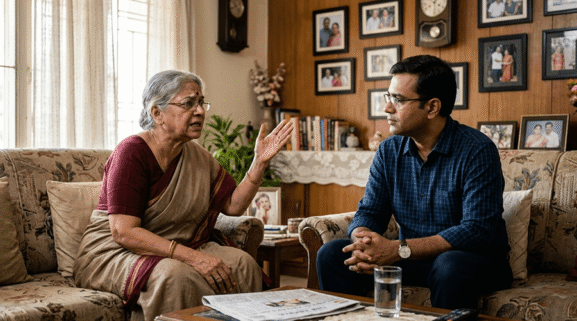
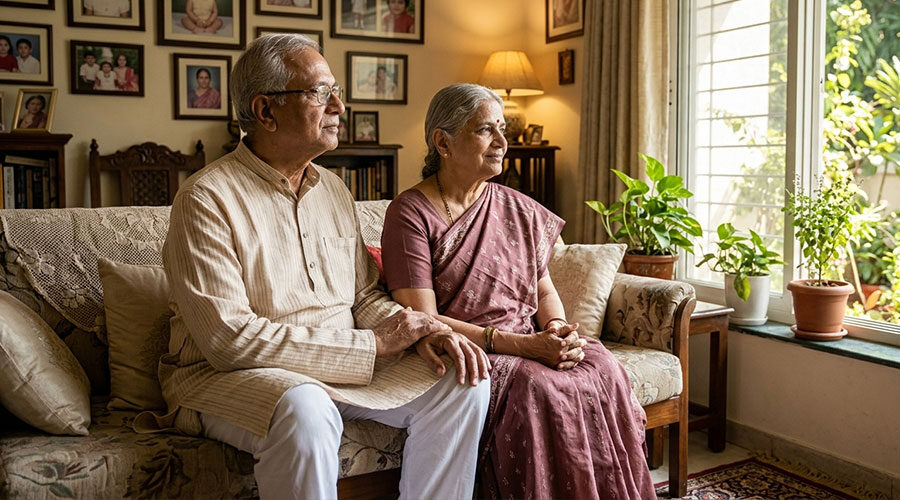
As parents grow older, many begin carrying fears they rarely express openly — not because those fears are small, but because they do not want to worry their children or feel like a burden.
While families often focus on physical health and medical care, aging parents are also quietly navigating emotional concerns about losing independence, becoming dependent on others, facing loneliness, declining health, financial insecurity, and losing their role within the family.
Understanding these unspoken fears helps families respond with greater empathy, patience, and emotional support.
Platforms like Senior Care Joy emphasize that caring for seniors is not only about assistance and healthcare — it is also about preserving dignity, reassurance, and emotional security during later life.
Why Do Aging Parents Hide Their Fears?
Many older adults grew up in environments where emotional struggles were rarely discussed openly.
Parents who spent decades protecting and supporting their families often find it difficult to suddenly express vulnerability themselves.
Common reasons seniors hide fears include:
- Not wanting to trouble their children
- Fear of appearing weak or dependent
- Worry about losing control over decisions
- Concern that family members may overreact
As a result, many fears remain hidden beneath everyday conversations and routines.
What Do Aging Parents Fear The Most?
Although every individual experiences aging differently, several fears appear consistently across families and caregiving situations.
1. Fear of Losing Independence
For many seniors, independence represents identity, dignity, and self-respect.
Simple daily activities such as:
- Cooking
- Walking independently
- Managing finances
- Visiting familiar places
- Taking personal decisions
become deeply connected to emotional confidence.
When health changes begin affecting these abilities, many seniors quietly fear becoming dependent on others for basic needs.
Common Signs
| Behavioral Change | What It May Reflect |
|---|---|
| Refusing help | Fear of dependency |
| Insisting on doing tasks alone | Desire for control |
| Resistance to caregivers | Fear of losing autonomy |
This fear often explains why some seniors reject assistance even when they genuinely need support.
2. Fear of Becoming a Burden
One of the most emotionally painful fears for aging parents is the belief that they may become a burden on their children.
They may notice:
- Their children balancing work and caregiving
- Financial stress within the family
- Reduced family time due to responsibilities
Even when families willingly provide support, seniors may quietly experience guilt about needing help.
This fear often leads older adults to:
- Hide symptoms or pain
- Avoid asking for assistance
- Downplay emotional struggles
Many parents would rather stay silent than feel responsible for disrupting their children’s lives.
3. Fear of Loneliness and Emotional Isolation
As social circles become smaller with age, loneliness can quietly become part of daily life.
Aging parents may experience:
- Loss of close friends
- Children moving away
- Reduced mobility
- Less social interaction
In India, this is increasingly common in urban families where younger generations move to different cities or countries for work.
What makes loneliness difficult is that it is not always visible. A parent may appear “fine” during short conversations while still experiencing emotional isolation throughout most of the day.
4. Fear of Cognitive Decline
Many seniors worry privately about memory problems and mental decline.
They may become anxious when they:
- Forget names or appointments
- Misplace objects
- Repeat stories unintentionally
- Struggle to recall words quickly
For many older adults, the fear is not just memory loss itself — it is the fear of losing clarity, decision-making ability, and self-identity.
Importantly, normal aging and dementia are not the same. However, uncertainty about cognitive changes can create quiet anxiety in seniors.
5. Fear of Financial Dependence
Financial independence often gives seniors a sense of stability and control.
Retirement, medical expenses, and inflation can create concerns about:
- Running out of savings
- Depending financially on children
- Affording healthcare or caregivers
- Managing property and assets safely
This fear is especially strong among seniors who spent most of their lives financially supporting others.
6. Fear of Health Emergencies
Many aging parents silently worry about:
- Falling at home
- Sudden hospitalization
- Chronic illness complications
- Medical emergencies while alone
This fear increases when seniors live independently or when family members live far away.
As a result, some older adults begin limiting movement or avoiding activities they once enjoyed because they fear something could go wrong.
7. Fear of Losing Purpose
Aging often changes long-standing roles within the family.
After retirement or reduced responsibilities, some seniors begin questioning:
- “Am I still needed?”
- “Do I still contribute to the family?”
Parents who once managed households, careers, and major family decisions may struggle emotionally when their role begins shrinking.
This fear is often overlooked, yet purpose plays a major role in emotional well-being during aging.
How These Fears Quietly Affect Senior Behavior
Many emotional fears appear indirectly through behavior rather than words.
Common Emotional Responses
| Behavior | Possible Emotional Cause |
|---|---|
| Irritability | Fear or frustration |
| Withdrawal from conversations | Loneliness or anxiety |
| Refusing assistance | Fear of losing independence |
| Repeating concerns | Need for reassurance |
| Overprotectiveness about finances | Fear of insecurity |
Understanding these emotional layers helps families respond with patience rather than frustration.
How Families Can Support Aging Parents Emotionally
Supporting seniors emotionally does not always require dramatic changes. Often, consistency and reassurance matter most.
1. Include Them in Decisions
Even small choices help seniors maintain dignity and involvement.
Discuss:
- Healthcare decisions
- Travel plans
- Household matters
- Daily routines
Feeling heard reduces anxiety around loss of control.
2. Reassure Without Taking Away Independence
Support should strengthen confidence, not replace it unnecessarily.
Instead of:
- “You can’t do this anymore.”
Try:
- “Let’s make this easier and safer together.”
The difference in language matters deeply.
3. Encourage Social Connection
Regular conversations, community activities, and family engagement help reduce emotional isolation.
Platforms like Senior Care Joy also highlight the importance of senior wellness communities, companionship, and emotional engagement alongside healthcare support.
4. Talk Openly About Aging
Gentle conversations about health, finances, future planning, and caregiving can reduce uncertainty and fear.
Avoid waiting until a crisis forces difficult decisions.
The Emotional Reality Families Often Miss
Many aging parents are not asking for perfection.
What they often want most is reassurance that:
- They are still respected
- They still matter
- Their presence is valued
- They will not be abandoned during vulnerable years
Sometimes, emotional security matters as much as medical care.
Closing Summary
Aging parents often carry quiet fears about losing independence, becoming a burden, facing loneliness, declining health, and losing their sense of purpose. These fears are deeply human and often remain unspoken because parents do not want to worry their families.
Understanding these emotional realities allows families to respond with greater empathy, patience, and meaningful support.
With thoughtful communication, emotional presence, and access to trusted elder care resources like Senior Care Joy, families can help seniors feel safer, more respected, and emotionally supported throughout the aging journey.
Key Takeaways
- Aging parents often fear losing independence and becoming dependent on others.
- Loneliness and emotional isolation are common but frequently hidden.
- Many seniors quietly worry about health emergencies, memory decline, and financial insecurity.
- Emotional fears often appear indirectly through behavior changes.
- Reassurance, inclusion, and respectful communication help reduce anxiety.
- Emotional care is an essential part of healthy and dignified aging.