
Summary
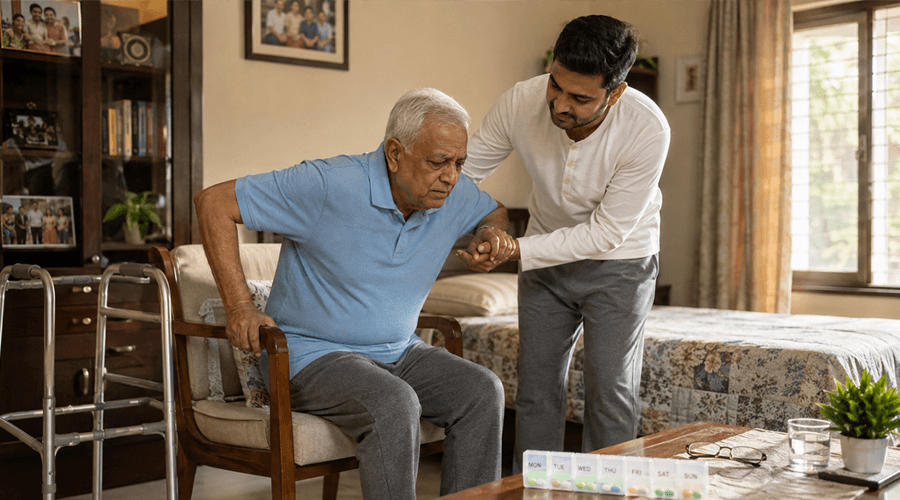
Your parent went into the hospital to recover from an illness or surgery—but after just a few days, they come home weaker, slower, and needing more help than before.
Many families assume this is simply part of the illness. In reality, a lesser-known condition called hospital deconditioning can play a major role. Spending extended time in bed, reduced physical activity, changes in nutrition, interrupted sleep, and the stress of hospitalisation can all contribute to a rapid decline in strength, balance, mobility, and independence—especially in older adults.
Understanding why this happens can help families recognise the warning signs early, encourage safe movement during recovery, and support a smoother return home. At Senior Care Joy, we believe recovery isn’t measured only by treating an illness—it’s also about helping older adults regain the strength and confidence to return to everyday life.
Why Do Seniors Become Weaker So Quickly in Hospital?
Many people are surprised to learn that older adults can lose strength much faster than younger people.
While the hospital is treating the illness, the body is also experiencing:
- Long periods of bed rest
- Reduced walking and movement
- Poor appetite
- Interrupted sleep
- Effects of surgery or infection
- Less opportunity to perform everyday activities
For a younger adult, a few days of reduced activity may have little lasting impact. For an older adult, those same days can lead to noticeable changes in mobility and independence.
What Is Hospital Deconditioning?
Explain:
- Not a disease
- Not a complication caused by poor medical care
- A decline in physical and sometimes mental function that occurs during hospitalisation because the body is used less than normal
This is the core educational section.
Why Does It Affect Older Adults More Than Younger People?
Explain ageing physiology in simple language.
Cover:
- Less muscle reserve
- Slower recovery
- Balance changes
- Chronic illnesses
- Lower physical resilience
The Body Starts Changing Earlier Than Most Families Realize
A timeline would be powerful.
| Time in Hospital | What May Begin to Change |
|---|---|
| First 24 hours | Less movement, more time in bed |
| 2–3 days | Muscle strength begins to decline |
| 3–5 days | Walking feels more tiring, balance may worsen |
| 1 week | Daily activities become noticeably harder for some older adults |
Stress that everyone’s recovery is different, but these changes can occur surprisingly quickly.
Signs Families May Notice After Hospital Discharge
Instead of medical symptoms, describe real life.
Families often notice that their loved one:
- Needs help getting out of bed
- Walks much slower
- Tires after only a few steps
- Sleeps much more
- Needs assistance climbing stairs
- Struggles with bathing or dressing
- Has less confidence walking
- Avoids moving because they’re afraid of falling
These changes often surprise families because they weren’t present before admission.
The Hidden Impact on Independence
This section makes the article memorable.
Hospital deconditioning isn’t only about weaker muscles.
It can affect:
- Confidence
- Balance
- Appetite
- Motivation
- Social activity
- Ability to live independently
Sometimes the biggest challenge after discharge isn’t recovering from the illness—it’s rebuilding everyday function.
Can Hospital Deconditioning Be Prevented?
Rather than “prevented,” say reduced.
Families can help by discussing with the healthcare team whether it’s safe for the older adult to:
- Sit out of bed for meals
- Walk short distances when medically appropriate
- Continue simple daily activities
- Eat enough protein and calories
- Stay hydrated
- Begin rehabilitation early if recommended
Always emphasise following medical advice.
Recovery Doesn’t End at Hospital Discharge
Many families believe discharge means recovery is complete.
In reality, discharge often marks the beginning of rehabilitation.
Recovery may include:
- Physiotherapy
- Walking practice
- Strength exercises
- Balanced nutrition
- Regular follow-up
- Patience
Small improvements each week can gradually restore confidence and independence.
When Should Families Seek Medical Advice?
Contact the healthcare team if your loved one:
- Cannot walk as they did before admission
- Has repeated falls
- Becomes unusually weak
- Refuses to get out of bed
- Appears confused after returning home
- Shows little improvement over time
Early intervention can prevent further decline.
Closing Summary
A hospital stay may successfully treat an illness, but recovery doesn’t always end when a patient is discharged. For many older adults, days of reduced movement can lead to hospital deconditioning—a decline in strength, mobility, and confidence that makes everyday life more challenging.
Recognising these changes early, encouraging safe movement when appropriate, and supporting rehabilitation can help older adults regain independence more effectively. At Senior Care Joy, we encourage families to view recovery as a journey that continues well beyond the hospital doors.
Key Takeaways
- Hospital deconditioning is a decline in physical function that can occur during hospitalisation.
- Even a few days of reduced movement may affect strength, balance, and independence in older adults.
- Families often notice weakness only after returning home.
- Safe movement, proper nutrition, and rehabilitation play an important role in recovery.
- Recovery continues after discharge, and family support can make a meaningful difference.