Summary
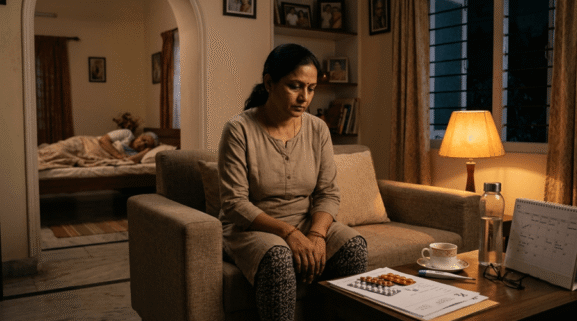
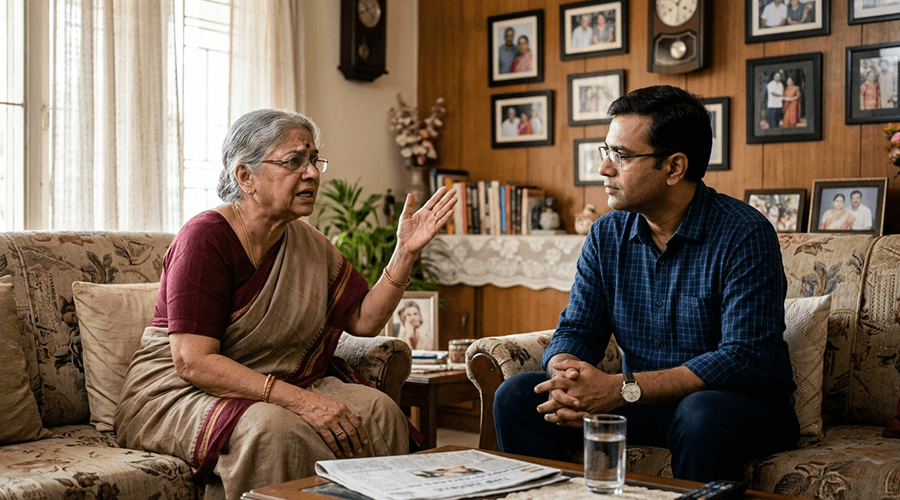
Few experiences are more confusing for families than watching a kind, patient parent suddenly become irritable, short-tempered, or angry with the very people trying to help them.
A father who once enjoyed family conversations now snaps over small questions. A mother who always appreciated help becomes frustrated whenever someone offers assistance. Adult children often leave these interactions feeling hurt, wondering, “Why are they treating me this way when I’m only trying to help?”
While occasional frustration is a normal part of life, frequent or unexpected anger in older adults can sometimes reflect much more than personality. Physical pain, chronic illness, medication side effects, hearing loss, depression, anxiety, cognitive changes, loss of independence, and even fear about the future can all influence how emotions are expressed.
Understanding these changes doesn’t mean excusing hurtful behaviour. It means recognising that anger is often a symptom of an underlying struggle rather than the problem itself.
At Senior Care Joy, we believe families deserve practical guidance that helps them look beyond difficult behaviour and understand what an aging loved one may truly be experiencing. Compassion begins with understanding, and understanding often begins with asking the right questions.
Why Do Aging Parents Sometimes Become More Irritable?
Most people assume anger is simply part of getting older.
It isn’t.
Growing older does not automatically make someone angry or difficult. Many older adults remain calm, patient, and emotionally resilient throughout later life.
When significant personality changes appear, there is usually a reason behind them.
Sometimes the cause is obvious, such as recovering from surgery or living with chronic pain. Other times, the explanation is less visible.
Older adults often experience multiple challenges simultaneously:
- Living with ongoing pain
- Managing several medical conditions
- Taking multiple medications
- Coping with reduced mobility
- Worrying about finances
- Losing friends and family members
- Depending on others for everyday tasks
- Feeling isolated
- Adjusting to retirement
- Fearing future illness or disability
Each challenge may seem manageable on its own. Together, however, they can create emotional pressure that gradually changes how someone reacts to everyday situations.
For some older adults, that pressure appears as sadness.
For others, it appears as frustration.
And sometimes, it appears as anger directed toward the people closest to them.
Why Is Anger Often Directed at Family Members Instead of Strangers?
One question families frequently ask is:
“Why is Dad polite with the doctor but rude to us?”
Or,
“Why does Mom smile when visitors come over but become angry once they leave?”
This behaviour can feel deeply personal.
In many cases, however, it isn’t.
Family members are usually the people older adults feel safest expressing difficult emotions around.
Just as young children often save their biggest emotional outbursts for home, older adults may also release frustration where they feel emotionally secure.
This doesn’t make hurtful behaviour acceptable.
But it does explain why anger is often directed toward spouses, adult children, or primary caregivers rather than neighbours or healthcare professionals.
The people providing the most support often become the safest place for emotions that have been building throughout the day.
When Anger Is Really About Losing Independence
One of the biggest emotional transitions in later life is losing the ability to do things independently.
Many older adults spend decades making their own decisions.
They drive where they want.
Manage their finances.
Cook meals.
Travel freely.
Take care of others.
Gradually, illness or aging may begin changing these routines.
Family members start saying:
“Don’t climb the stairs.”
“Let me carry that.”
“You shouldn’t drive anymore.”
“I’ll handle your banking.”
Although these suggestions usually come from love, an older adult may hear something very different.
Instead, they may think:
“People don’t trust me anymore.”
“I’ve become a burden.”
“My life is no longer my own.”
The frustration that follows isn’t always about the task itself.
It’s often about losing control.
Many emotional reactions that appear as anger are actually expressions of grief over losing independence.
Could Physical Pain Be Causing Personality Changes?
Pain affects far more than the body.
It affects patience.
- Concentration.
- Sleep.
- Mood.
- Energy.
Older adults living with arthritis, back pain, nerve pain, joint disease, or other chronic conditions may experience discomfort throughout the day.
Constant pain can make even small interruptions feel overwhelming.
Imagine trying to remain patient while experiencing persistent pain every time you stand, walk, or change position.
Over time, emotional tolerance naturally decreases.
An older adult may become irritable simply because every movement requires effort.
If anger appears alongside reduced mobility, facial expressions of discomfort, reluctance to move, or poor sleep, physical pain should never be overlooked as a possible contributing factor.
How Health Conditions Can Affect Mood
Several medical conditions influence emotions long before families realise what is happening.
For example:
| Health Condition | Possible Emotional or Behavioural Changes |
|---|---|
| Chronic pain | Irritability, frustration, impatience |
| Hearing loss | Misunderstandings, withdrawal, anger during conversations |
| Vision loss | Anxiety, reduced confidence, dependence on others |
| Diabetes (especially fluctuating blood sugar) | Mood changes, irritability, fatigue |
| Urinary tract infections (particularly in older adults) | Sudden confusion or behavioural changes |
| Thyroid disorders | Low mood, anxiety, emotional changes |
| Sleep disorders | Poor concentration, impatience, emotional exhaustion |
Families often focus on visible symptoms while overlooking how strongly physical health influences emotional wellbeing.
When Hearing Loss Looks Like Anger
One of the most overlooked causes of family conflict is hearing loss.
Imagine sitting at the dinner table while conversations become difficult to follow.
People repeat themselves.
Someone speaks from another room.
Television volume becomes an issue.
Eventually, conversations become exhausting.
Rather than admitting they cannot hear properly, some older adults respond by withdrawing from discussions.
Others become defensive.
Some begin answering incorrectly because they misunderstood the question.
Family members may mistake these reactions for stubbornness or anger.
In reality, the problem may simply be that communication has become frustrating.
Many older adults avoid hearing assessments because hearing loss develops gradually.
What begins as occasional misunderstandings can eventually affect confidence, relationships, and emotional wellbeing.
Depression Doesn’t Always Look Like Sadness
When people think about depression, they often imagine someone crying or appearing obviously unhappy.
Older adults don’t always experience depression this way.
Instead, it may appear as:
- Irritability
- Constant complaining
- Loss of patience
- Withdrawal from family
- Reduced interest in hobbies
- Difficulty concentrating
- Lack of motivation
- Feeling hopeless about the future
For some individuals, anger becomes the outward expression of emotional pain they find difficult to describe.
Families sometimes respond to the anger without recognising the sadness hidden underneath it.
Understanding this distinction can completely change the conversation between family members and healthcare professionals.
Can Dementia Cause Anger or Personality Changes?
Families often associate dementia with memory loss.
However, changes in mood and personality can sometimes appear before significant memory problems become obvious.
An older adult who once remained calm may begin reacting differently to everyday situations. They may become impatient when routines change, frustrated by unfamiliar tasks, or suspicious when they cannot remember where something was placed.
Imagine trying to complete a task you’ve done for decades, only to suddenly struggle with remembering the next step. That experience can be frightening.
Rather than saying, “I’m confused,” some older adults express that fear as irritation.
It’s also important to remember that dementia affects different parts of the brain depending on the condition and the individual. While not everyone with dementia becomes angry, some people may experience:
- Increased frustration with simple tasks
- Difficulty controlling emotions
- Suspicion or mistrust
- Reduced tolerance for noise or busy environments
- Agitation when routines change
- Difficulty expressing needs clearly
These behaviours are not deliberate attempts to upset family members. They often reflect changes occurring in the brain itself.
If personality changes are accompanied by memory problems, confusion, getting lost in familiar places, difficulty managing finances, or repeating the same questions, families should consider discussing these observations with their healthcare provider.
Could Medications Be Changing Their Mood?
Many older adults take several medicines every day.
While these medications play an important role in managing health conditions, some may also contribute to changes in mood or behaviour.
For example, certain medicines can cause:
- Increased irritability
- Anxiety
- Restlessness
- Poor sleep
- Confusion
- Fatigue
- Mood swings
Sometimes the issue isn’t one medication alone—it may be the combined effect of taking multiple medicines, especially after a new prescription has been added or a dosage has changed.
Families should never stop medications on their own. Instead, if noticeable behavioural changes appear soon after starting or adjusting treatment, it is worth discussing them with the prescribing doctor or pharmacist.
Fear Is Often Hidden Behind Anger
Older adults rarely say:
“I’m scared of becoming dependent.”
Instead, families may hear:
“Leave me alone.”
“Stop telling me what to do.”
“I don’t need anyone’s help.”
Beneath those words may be fears that are difficult to express.
Many older adults worry about:
- Losing their independence
- Becoming a burden
- Moving out of their home
- Losing control over finances
- Being admitted to a care facility
- Developing serious illness
- Outliving their savings
- Depending on family for everyday needs
When fear goes unspoken, it often appears as defensiveness or anger.
Sometimes what sounds like rejection is actually an attempt to protect dignity.
When Family Roles Begin to Reverse
One of the most difficult emotional adjustments for both parents and adult children is role reversal.
For decades, parents made decisions for their children.
- They offered advice.
- Solved problems.
- Provided financial support.
- Protected the family.
As health changes, those roles often begin to shift.
Adult children start arranging appointments, managing medications, discussing finances, or reminding parents about daily routines.
Although these changes are often necessary, they can feel deeply uncomfortable for everyone involved.
Parents may feel they are losing authority.
Adult children may feel guilty for making difficult decisions.
Without open communication, these emotions can quickly turn into conflict.
The goal isn’t to take control away from an older adult.
It’s to involve them in decisions whenever possible while providing the support they need.
Communication Mistakes That Can Make Anger Worse
Families usually have good intentions.
However, small changes in communication can make difficult situations easier—or much harder.
| Instead of… | Try… |
|---|---|
| “You can’t do that anymore.” | “Let’s find a safer way to do this together.” |
| “You already told me that.” | “I remember you mentioning that. Tell me more.” |
| “You’re wrong.” | “Let’s look at it together.” |
| “You need to…” | “What do you think would help?” |
| “Calm down.” | “I can see this is upsetting. Let’s talk about it.” |
The words we choose cannot solve every situation, but they can reduce unnecessary conflict and help older adults feel respected.
How Families Can Respond Without Escalating the Situation
When an aging parent becomes angry, our natural instinct is often to defend ourselves or argue back.
Unfortunately, this usually increases tension.
Instead, consider these approaches:
Pause Before Responding
Not every angry comment requires an immediate answer.
Taking a moment to stay calm can prevent the conversation from escalating.
Look for the Trigger
Ask yourself:
- Were they in pain?
- Did something change in their routine?
- Were they tired?
- Did they misunderstand what was said?
- Were they feeling embarrassed?
Sometimes addressing the underlying cause is more helpful than responding to the words themselves.
Offer Choices Instead of Instructions
Whenever possible, allow your parent to make decisions.
Simple choices such as what to wear, what to eat, or when to go for a walk help preserve independence and dignity.
Avoid Correcting Every Mistake
If a misunderstanding is harmless, it may not need correcting.
Constant correction can increase frustration, especially for someone experiencing memory or communication difficulties.
Make Time for Conversations That Aren’t About Care
Many family interactions gradually become centred around medications, appointments, and health concerns.
Try to spend time talking about hobbies, memories, grandchildren, favourite meals, or shared experiences.
Maintaining emotional connection is just as important as managing physical health.
When Should Families Seek Professional Advice?
Occasional frustration is part of life.
However, sudden or persistent personality changes deserve medical attention, particularly if they are new or becoming more frequent.
Consider speaking with a healthcare professional if your parent experiences:
- Sudden personality changes
- Persistent anger without an obvious reason
- Memory problems alongside behavioural changes
- Hallucinations or unusual beliefs
- Frequent confusion
- Aggressive behaviour that places themselves or others at risk
- Significant withdrawal from family and friends
- Changes following a new medication
- Behaviour changes after a hospital stay
A healthcare professional can assess whether these changes are related to physical illness, medication, mental health, neurological conditions, or other treatable causes.
Early evaluation can often lead to better support and improved quality of life.
Looking Beyond the Anger
It is easy to remember the difficult conversation.
The raised voice.
The harsh words.
The argument that ended badly.
What families often forget is that anger rarely tells the whole story.
Behind that frustration may be someone quietly grieving the loss of independence.
Someone living with pain they haven’t spoken about.
Someone frightened by changes they don’t fully understand.
Or someone struggling with a health condition that is affecting the way they think, communicate, or manage emotions.
Looking beyond the behaviour doesn’t mean accepting hurtful actions without boundaries.
It means approaching those moments with curiosity rather than assumption.
Sometimes the most helpful question isn’t:
“Why are they being so difficult?”
It’s:
“What might they be going through that I can’t see?”
That shift in perspective can transform not only conversations, but relationships.
Closing Summary
Anger is not an inevitable part of aging, nor should it simply be dismissed as “old age.” While occasional frustration is normal, persistent or sudden personality changes may reflect physical pain, medication side effects, hearing loss, depression, anxiety, cognitive changes, or the emotional challenges of losing independence.
For families, these moments can be painful and confusing. Looking beyond the anger to understand what may be causing it allows for more compassionate and effective support. At the same time, it is important to recognise when behavioural changes require medical evaluation rather than being accepted as part of growing older.
At Senior Care Joy, we encourage families to remember that difficult behaviour is often a signal rather than the problem itself. By listening with empathy, communicating with patience, and seeking professional advice when needed, families can strengthen relationships while helping older adults maintain dignity, trust, and quality of life.
Key Takeaways
- Growing older does not automatically make someone angry or irritable.
- Physical pain, chronic illness, hearing loss, depression, medication side effects, and cognitive conditions can all contribute to personality changes.
- Losing independence is one of the most common emotional reasons older adults become frustrated.
- Communication that preserves dignity can reduce unnecessary conflict.
- Sudden or persistent changes in behaviour should always be discussed with a healthcare professional.
- Understanding the reason behind the anger often leads to more compassionate and effective caregiving.