Summary
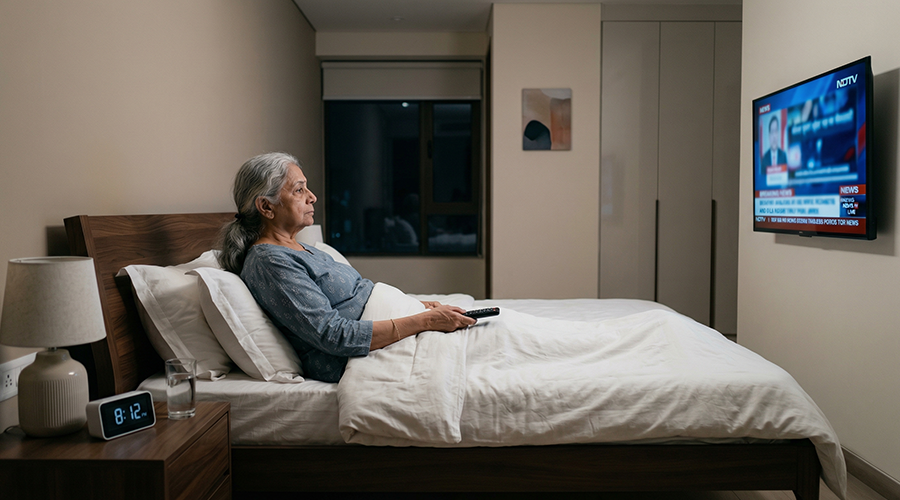
“Rest all day” may feel safe for seniors, but prolonged inactivity accelerates physical decline, cognitive deterioration, emotional withdrawal, and loss of independence. While rest is essential, excessive rest without movement, mental engagement, or routine leads to muscle loss, balance problems, depression, reduced immunity, and faster functional ageing. Healthy ageing depends on balanced activity, not constant rest.
Why Do Families Encourage Seniors to Rest All Day?
This belief is driven by:
- Fear of falls and injury
- Misunderstanding of ageing
- Cultural views equating old age with fragility
- Overprotection by family members
- Medical caution after illness
Key Insight:
Protection often becomes restriction, unintentionally weakening seniors
over time.
What Actually Happens to the Body With Prolonged Inactivity?
Physical Effects of Long-Term Rest
| System | Impact of Inactivity |
|---|---|
| Muscles | Rapid muscle loss (sarcopenia) |
| Bones | Bone density reduction |
| Balance | Increased fall risk |
| Joints | Stiffness and pain |
| Heart | Reduced cardiovascular capacity |
| Immunity | Higher infection risk |
| Metabolism | Slower digestion and energy use |
Even short daily movement can slow these declines.
How Does Inactivity Affect the Brain and Mental Health?
Cognitive & Emotional Effects
- Reduced memory stimulation
- Slower thinking
- Increased depression risk
- Emotional withdrawal
- Loss of confidence
- Social isolation
Key Insight:
The brain ages faster in passive environments.
Is Rest After Illness or Hospitalisation Different?
Yes — but only temporarily.
Healthy Recovery Rest vs Harmful Inactivity
| Recovery Rest | Harmful Inactivity |
|---|---|
| Short-term | Long-term |
| Structured | Unstructured |
| Supervised | Passive |
| Gradual movement | Total avoidance |
| Rehabilitation-focused | Comfort-focused |
Rehabilitation requires movement, not immobility.
Why Does Movement Protect Independence in Seniors?
Movement supports:
- Self-care ability
- Mobility confidence
- Balance and coordination
- Mental clarity
- Emotional resilience
- Social engagement
Key Insight:
Independence declines faster from than from age.
What Kind of Activity Is Safe and Healthy for Seniors?
Age-Appropriate Activity Types
- Walking
- Stretching
- Chair exercises
- Balance training
- Light resistance movements
- Daily household tasks
- Gardening
- Group exercise sessions
Activity must be consistent, safe, and purposeful — not intense.
How Can Families Shift From “Rest” to “Safe Activity”?
Practical Family Strategies
- Build routine movement into daily life
- Encourage choice, not force
- Make activity social
- Adapt activities to health conditions
- Celebrate small wins
- Avoid overprotection
When Should Families Be Cautious About Activity?
Medical supervision is needed when seniors have:
- Recent surgery
- Severe cardiac conditions
- Advanced osteoporosis
- Neurological disorders
- Severe balance impairment
But even then, guided movement is usually recommended, not total rest.
How Senior Care Joy Supports Active Ageing
Senior Care Joy promotes healthy ageing by:
- Educating families about safe senior mobility
- Connecting families with verified physiotherapy, wellness, and home care services
- Encouraging dignity-first independence, not fear-driven restriction
- Supporting balanced routines for seniors’ physical and mental well-being
The goal is not activity pressure, but safe, sustainable engagement.
Final Thoughts:
“Rest all day” may feel protective, but it quietly accelerates decline. Seniors stay healthier, sharper, and more independent when their days include movement, purpose, and connection. Ageing well is not about avoiding life — it’s about engaging with it safely.
Key Takeaways
- Excessive rest accelerates physical and mental decline
- Inactivity increases fall risk, not reduces it
- Movement protects independence
- Balanced activity is safer than immobility
- Emotional health depends on engagement
- Healthy ageing requires routine, not restriction