Summary
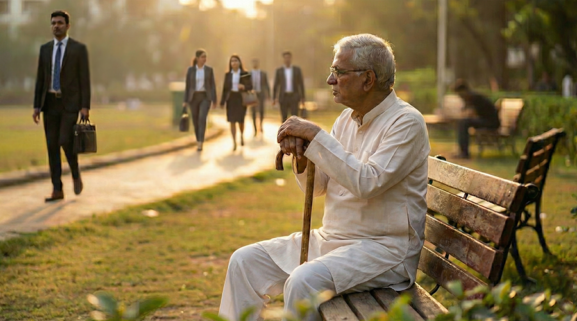
India is getting older — and faster than most people realize. According to the United Nations Population Fund (UNFPA, 2023), by 2050, nearly 1 in 5 Indians will be above 60 years of age, amounting to over 320 million seniors.
This seismic demographic shift is transforming not just families but also healthcare, housing, and social infrastructure. From specialized hospitals to senior-friendly homes, India is entering what experts call the “Silver Economy” — where longevity creates both challenges and opportunities.
In this article, Senior Care Joy explores how this demographic wave is reshaping India’s healthcare and housing landscape — and why planning for dignified, healthy aging is no longer optional, but essential.
India’s Demographic Shift: The Silver Generation Is Growing
For decades, India was defined as a “young nation.” But that story is changing.
The elderly population (60+) is growing at twice the rate of the general population, driven by longer life expectancy, lower fertility rates, and urbanization.
Key Numbers
| Indicator | 2011 | 2031 (Projected) | 2050 (Projected) |
|---|---|---|---|
| Elderly (60+) | 8.6% | 13.1% | 19.5% |
| Life Expectancy | 67 years | 71 years | 75 years |
| Elderly Living Alone | 11% | 20%+ | Expected to rise further |
Senior Care Joy Insight: The ageing of India isn’t just a statistic — it’s a social transformation. Families are smaller, mobility is higher, and care is moving from traditional homes to structured systems.
Healthcare: From Hospitals to Holistic Senior Wellness
India’s healthcare system — once designed for infectious diseases and maternal care — is now adapting to chronic, long-term conditions like diabetes, heart disease, arthritis, and dementia.
1. Rise of Geriatric Medicine
Until recently, India had very few trained geriatricians. But that’s changing fast.
Hospitals like AIIMS Delhi, Apollo, Narayana Health, and Geri Care Chennai now have dedicated geriatric departments offering:
- Comprehensive geriatric assessments
- Cognitive and memory clinics
- Chronic care and fall prevention programs
- Palliative and end-of-life support
“Healthcare for seniors must go beyond treatment — it’s about dignity, prevention, and emotional well-being,” says a Senior Care Joy wellness advisor.
2. Home Healthcare Revolution
After the pandemic, India saw a 3x rise in demand for home-based elder care.
Families increasingly prefer doctor visits, physiotherapy, and nursing at home instead of frequent hospital trips.
Popular services include:
- Home ICU setups
- Post-surgery rehabilitation
- On-call caregivers and nurses
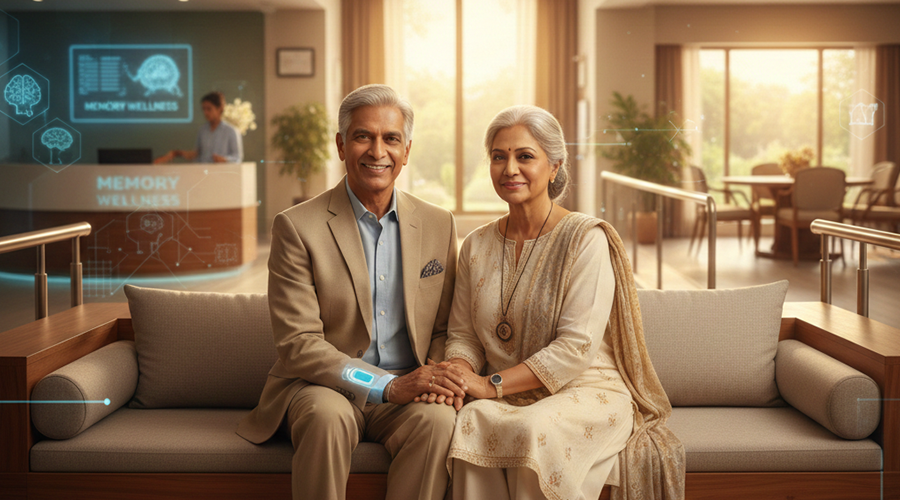
- Telemedicine and remote monitoring
Market Insight: India’s home healthcare industry is expected to reach USD 21 billion by 2028 (ET Healthworld, 2023).
3. Technology in Healthcare: Smart Aging
Artificial Intelligence (AI), IoT, and wearable devices are revolutionizing senior wellness:
- Smartwatches track heart rate, sleep, and falls.
- Medication reminders through Alexa and Google Home.
- AI-powered predictive health analytics.
Senior Care Joy Perspective: Technology can’t replace compassion, but it can extend care safely and intelligently — especially for seniors living alone.
Housing: From Family Homes to Senior-Focused Communities
As more seniors seek independence and security, housing is evolving from traditional joint-family homes to purpose-built senior living communities.
1. Rise of Retirement and Assisted Living Spaces
Cities like Pune, Coimbatore, Bengaluru, Chennai, and Gurugram are becoming hubs for premium and affordable senior housing.
Developers like Ashiana Housing, Columbia Pacific, and Antara are redefining how seniors live — combining comfort, healthcare, and community.
Features of Senior-Friendly Housing:
- Wheelchair-accessible architecture
- 24/7 medical support
- Security and housekeeping
- Community dining and wellness programs
- Green spaces and activity rooms
Senior Care Joy Insight: A “home” for seniors should be designed not just for safety — but for connection, engagement, and purpose.
2. Affordable & Government-Supported Housing Models
The Government of India and various state missions are recognizing elder housing as a national priority.
Initiatives under National Programme for Health Care of the Elderly (NPHCE) and Senior Citizens’ Welfare Funds are exploring partnerships for affordable assisted living options.
Trend: Hybrid models — combining public subsidies with private expertise — are emerging in tier-2 cities.
3. Co-Living & Intergenerational Housing
An emerging trend in India is co-living communities where seniors, young professionals, and families share integrated spaces with mutual support systems.
This helps:
- Reduce loneliness for elders.
- Build social connections.
- Provide security and companionship.
“Elder housing should evolve into elder living — vibrant, respectful, and social,” says a Senior Care Joy network partner.
Opportunities for Businesses and Care Providers
India’s ageing population isn’t just a challenge — it’s an economic opportunity.
The emerging Silver Economy — industries serving seniors — is projected to be worth USD 1 trillion by 2035 (FICCI Report, 2022).
Growth areas include:
- Elder-friendly real estate and architecture
- Home healthcare and assistive technology
- Financial and legal advisory for seniors
- Wellness, recreation, and travel for elders
Senior Care Joy connects families with verified service providers, helping businesses gain visibility while families discover trustworthy care.
The Cultural Shift: From Duty to Partnership
In India, caregiving has always been rooted in family duty. But the future of elder care requires a partnership approach — between families, service providers, and the state.
- Families must plan early — legally, financially, and emotionally.
- Businesses must prioritize ethics and trust in elder care services.
- Communities must treat ageing as an opportunity to connect, not isolate.
“Eldercare is not about old age — it’s about ensuring every stage of life is lived with dignity and joy.” — Senior Care Joy Mission Statement
Closing Summary
India’s ageing population is reshaping everything — from how we design hospitals and homes to how we think about family, community, and care.
The future lies in integration — where healthcare, housing, and emotional support work together seamlessly.
At Senior Care Joy, we believe that aging should not be feared but celebrated — with systems that protect, empower, and connect India’s elders to a life of dignity and joy.
Key Takeaways
- India’s 60+ population will reach 320 million by 2050, creating huge demand for healthcare and housing.
- Healthcare must shift from reactive to preventive — integrating home care, technology, and geriatric expertise.
- Senior living communities are redefining independence and social connection.
- The Silver Economy offers vast opportunities for ethical, compassionate businesses.
- Collaboration among families, providers, and policymakers will define the future of dignified ageing.