Summary
Seniors often stop eating well, not because of food availability, but due to medical changes, emotional factors, social isolation, medication effects, sensory decline, and loss of routine or purpose. Poor nutrition in older adults is rarely a single-issue problem—it is usually the result of physical, psychological, and social factors overlapping. Families can improve senior nutrition not by forcing food, but by restoring dignity, routine, connection, and comfort around eating.
Why Do Seniors Lose Interest in Food?
Loss of appetite in older adults is not a normal part of ageing—but it is common.
Core Causes of Poor Eating in Seniors
- Reduced taste and smell sensitivity
- Dental problems or chewing difficulty
- Digestive discomfort and acid reflux
- Medication side effects
- Depression or emotional withdrawal
- Loneliness and social isolation
- Cognitive decline or confusion
- Fatigue and low energy
- Loss of daily structure after retirement or illness
Key Insight: Most seniors don’t “stop eating” — they lose the reasons, comfort, and motivation to eat.
How Do Medical Conditions Affect Appetite in Seniors?
Chronic Illness and Nutrition
Many age-related conditions directly reduce appetite:
| Condition | How It Affects Eating |
|---|---|
| Diabetes | Appetite suppression, dietary restrictions |
| Arthritis | Pain and fatigue reduce meal effort |
| Heart disease | Nausea, low energy |
| Dementia | Forgetting meals, confusion |
| Parkinson’s | Swallowing difficulty |
| GI disorders | Bloating, discomfort, nausea |
Medication Impact
Common side effects include:
- Altered taste
- Dry mouth
- Nausea
- Appetite suppression
- Digestive discomfort
Polypharmacy (multiple medications) significantly increases nutritional risk in seniors.
How Do Emotional and Mental Health Factors Affect Eating?
Psychological Causes
- Depression
- Grief (loss of spouse/friends)
- Anxiety
- Loss of independence
- Feeling like a burden
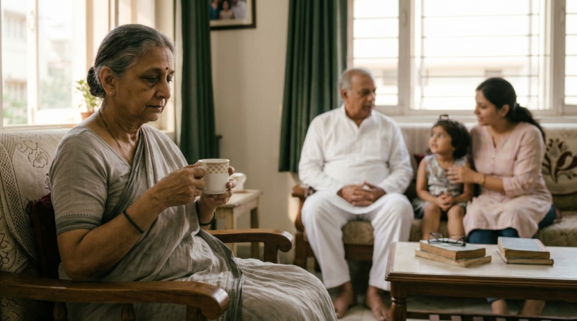
Eating is deeply emotional. When emotional connection weakens, appetite follows.
Why Does Loneliness Reduce Appetite in Seniors?
Eating alone consistently leads to:
- Skipped meals
- Reduced portion sizes
- Loss of food enjoyment
- Nutritional neglect
Key Insight: Meals are social rituals, not just nutrition events. Isolation breaks this rhythm.
How Does Loss of Routine Affect Eating Habits?
After retirement, illness, or family separation, seniors often lose:
- Fixed meal timings
- Structured days
- Purposeful activity
Without routine, hunger signals weaken and meal motivation drops.
What Are the Early Warning Signs of Nutritional Decline?
Families should watch for:
- Noticeable weight loss
- Fatigue and weakness
- Frequent infections
- Dizziness or falls
- Muscle loss
- Confusion
- Dry skin and hair
- Poor wound healing
These are often nutrition-linked symptoms, not just ageing.
How Can Families Help Seniors Eat Better?
1. Focus on Comfort, Not Control
Avoid pressure, force, or criticism.
What works better:
- Choice-based meals
- Small portions
- Gentle encouragement
- Respecting preferences
2. Restore Routine
Consistency rebuilds appetite.
Simple steps:
- Fixed meal timings
- Predictable daily structure
- Light physical activity before meals
3. Make Meals Social
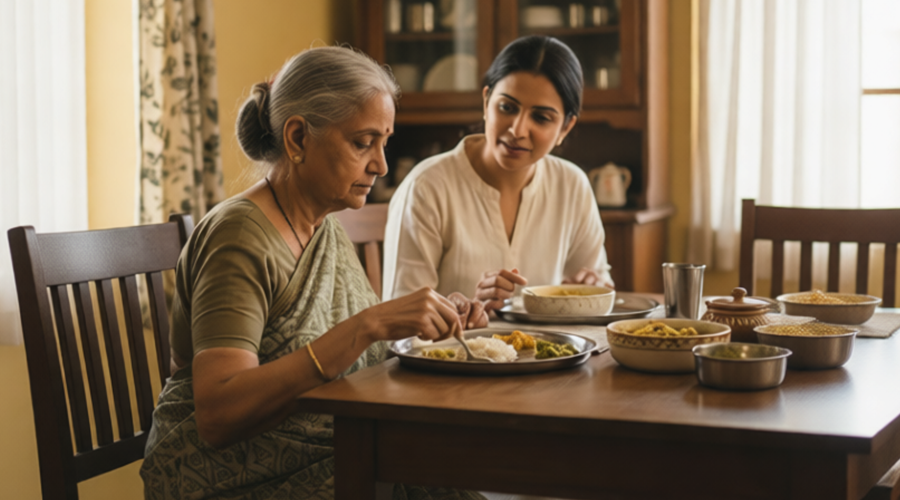
Connection improves consumption.
Options:
- Family meals
- Community dining
- Shared tea/snack routines
- Companionship services
4. Adapt Food, Not Just Menus
Modify textures and formats:
- Soft foods
- Smaller meals
- High-protein snacks
- Warm, familiar dishes
5. Address Medical Causes
Involve professionals for:
- Dental care
- Medication review
- Digestive health
- Mental health screening
What Nutrition Support Works Best for Seniors?
High-Impact Support Options
| Support Type | Benefit |
|---|---|
| Home healthcare | Medical nutrition monitoring |
| Companionship care | Meal reminders & social eating |
| Dietitian support | Personalised meal plans |
| Assisted living | Structured meals |
| Family caregivers | Emotional consistency |
Even one support layer improves outcomes.
How Senior Care Joy Supports Families Facing Nutrition Challenges
Senior Care Joy helps families by:
- Providing clear, stigma-free guidance on senior nutrition and well-being
- Connecting families to verified home healthcare, companionship, and elder care services
- Helping families address root causes, not just symptoms
- Supporting dignity-first, confidence-driven care decisions
The focus is not on control, but on care, connection, and sustainable support.
Final Thoughts:
When seniors stop eating well, it’s rarely about stubbornness or taste—it’s about health, emotion, routine, and connection. Nutrition improves when families restore dignity, structure, and belonging, not when they apply pressure. Eating well in old age is not just about food—it’s about feeling safe, valued, and cared for.
Key Takeaways
- Poor eating in seniors is multi-factorial
- Emotional health affects nutrition as much as physical health
- Loneliness and routine loss reduce appetite
- Medication and chronic illness play major roles
- Force worsens resistance; support improves outcomes
- Sustainable nutrition comes from connection, not control