Summary
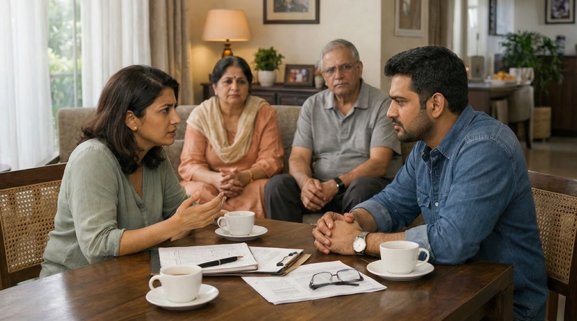
Many seniors become quieter with age due to a combination of physical, psychological, and social changes. Hearing loss, cognitive changes, emotional adjustments, shrinking social circles, and health conditions can all reduce how much a person speaks or participates in conversations.
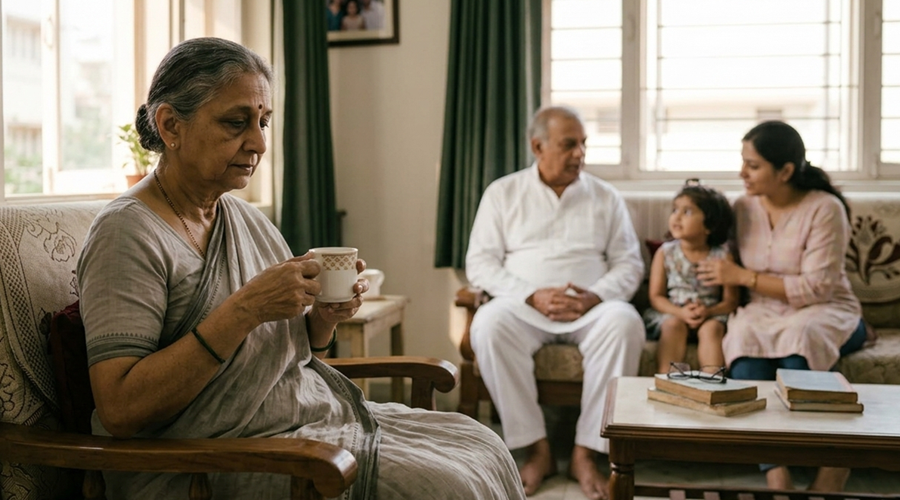
However, silence does not always mean loneliness, sadness, or withdrawal. In many cases, it reflects deeper reflection, fatigue from overstimulation, difficulty hearing conversations, or simply a shift in communication style.
Understanding the real reasons behind increased silence in older adults helps families respond with empathy rather than concern or misunderstanding. Platforms like Senior Care Joy emphasise that recognising these behavioural changes early can help families support seniors with dignity and confidence.
Why Do Seniors Often Become Quieter as They Age?
Several natural age-related changes influence how seniors communicate and interact socially.
1. Hearing Loss Makes Conversations Harder
Age-related hearing decline, known as presbycusis, affects a large percentage of older adults.
| Age Group | Estimated Hearing Loss Prevalence |
|---|---|
| 60–69 years | ~25% |
| 70–79 years | ~40% |
| 80+ years | ~60% |
When seniors struggle to hear clearly, conversations become tiring and sometimes embarrassing. Instead of asking people to repeat themselves repeatedly, many seniors simply choose to speak less or remain quiet.
Common signs include:
- Asking people to repeat themselves frequently
- Difficulty following group conversations
- Avoiding noisy environments
Over time, reduced hearing can lead to social withdrawal, not because seniors want isolation, but because communication becomes challenging.
2. Cognitive Changes Affect Conversation Speed
Aging can slow processing speed and recall. Seniors may take longer to:
- Form responses
- Recall names or events
- Process multiple voices at once
In fast-paced conversations, especially among younger family members, seniors may feel left behind in the discussion, leading them to participate less.
Important distinction:
- Slower responses are not necessarily dementia
- They are often part of normal cognitive aging
Creating slower, calmer conversations often helps seniors engage again.
3. Emotional Changes and Life Transitions
Later life often includes major emotional transitions such as:
- Retirement
- Loss of close friends
- Children moving away
- Health limitations
These changes can make seniors more reflective and inward-looking.
Rather than speaking less because they are unhappy, many seniors simply shift toward quieter observation and deeper thinking.
This stage of life often brings:
- Increased introspection
- Preference for meaningful conversations over casual chatter
- Reduced tolerance for noise and chaos
4. Reduced Social Circles
As people age, their social networks often shrink due to:
- Friends passing away
- Reduced mobility
- Fewer workplace interactions
- Health limitations
When daily interactions decrease, seniors naturally speak less frequently overall.
Research on ageing populations consistently shows that social network size tends to decline after retirement, which can influence communication habits.
This is why maintaining community connections and family engagement becomes essential for emotional well-being.
5. Fatigue and Energy Conservation
Talking, especially in group settings, requires mental and physical energy.
Older adults may experience:
- Lower stamina
- Chronic pain
- Medication side effects
- Sleep disturbances
Because of this, many seniors choose to conserve energy by speaking less and listening more.
This is often a practical adjustment rather than a negative change.
When Silence Might Indicate a Concern
While quietness is often natural, sudden or extreme withdrawal may signal underlying issues.
Families should pay attention if silence is accompanied by:
- Loss of interest in activities
- Persistent sadness
- Memory confusion
- Avoiding family interaction
- Significant personality changes
These may indicate conditions such as:
| Possible Cause | Signs to Watch |
|---|---|
| Depression | Persistent sadness, isolation |
| Hearing impairment | Avoiding conversations |
| Cognitive decline | Confusion, forgetfulness |
| Social loneliness | Lack of engagement |
| Medication effects | Fatigue, slowed speech |
In such cases, professional guidance can help families understand what support may be needed.
Platforms like Senior Care Joy help families explore trusted home healthcare services, assisted living options, and senior wellness resources when communication changes raise concerns.
How Families Can Encourage Communication With Seniors
Supporting communication with aging parents or grandparents requires patience and intentional effort.
Practical Ways to Help
1. Speak clearly and calmly
Avoid speaking too fast or from another room.
2. Reduce background noise
Television or loud environments can make conversations difficult.
3. Ask open-ended questions
Instead of yes/no questions, ask about stories, memories, or opinions.
4. Give time to respond
Avoid interrupting or finishing sentences.
5. Encourage meaningful conversations
Many seniors enjoy discussions about experiences, wisdom, and family history.
6. Maintain regular connection
Short daily conversations can make a big difference.
These small changes often help seniors feel respected, heard, and valued.
The Positive Side of Silence in Aging
Silence is not always a negative sign.
Many seniors develop:
- Greater patience
- Strong listening skills
- Thoughtful responses
- Emotional wisdom
Psychologists often describe aging as a stage where people shift from constant activity toward reflection and meaning.
In this sense, quietness can represent emotional maturity rather than decline.
Final Thoughts
As people age, becoming quieter is often a natural response to physical, emotional, and social changes. Hearing loss, slower cognitive processing, smaller social circles, and increased reflection can all contribute to reduced verbal interaction.
Rather than assuming silence means loneliness or disengagement, families should focus on understanding the reasons behind it.
With patience, supportive communication, and access to trusted care resources such as Senior Care Joy, families can ensure that seniors continue to feel heard, respected, and connected.
Key Takeaways
- Seniors often become quieter due to hearing changes, slower cognitive processing, and smaller social circles.
- Silence does not always indicate sadness or loneliness.
- Age-related hearing loss is one of the most common reasons for reduced conversation.
- Emotional reflection and life transitions also influence communication patterns.
- Sudden withdrawal or behavioral changes may indicate health or mental health concerns.
- Families can support seniors through patient communication and regular engagement.