
Summary
Seniors often value respect, attention, and inclusion more than material gifts or grand gestures. As people age, changes in health, mobility, and social circles can sometimes make them feel overlooked or less involved in daily life.
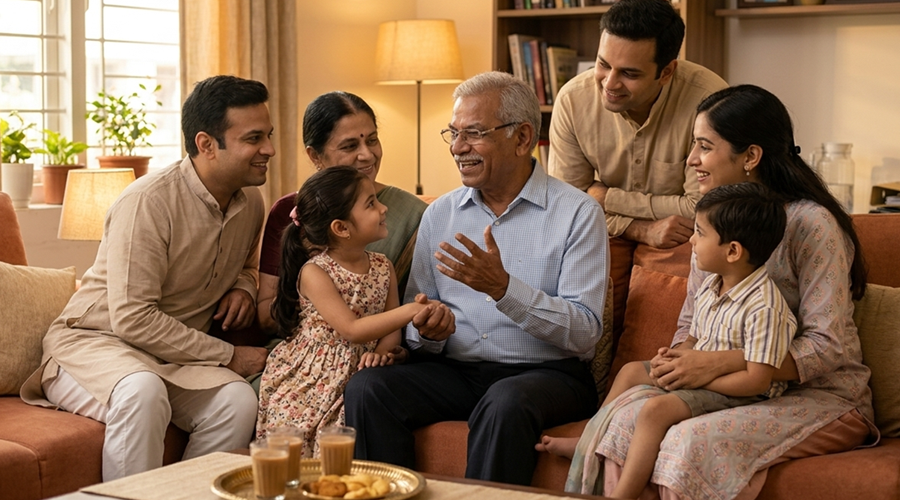
However, small daily actions—such as listening to their stories, asking for their advice, involving them in decisions, and spending intentional time together—can significantly improve a senior’s emotional well-being.
Research in gerontology consistently shows that seniors who feel respected and socially connected experience better mental health, lower risk of depression, and stronger cognitive engagement. Platforms like Senior Care Joy, which help families navigate aging and caregiving, emphasize that emotional dignity and meaningful connection are just as important as physical care.
Why Feeling Valued Matters for Seniors
Feeling valued is directly linked to emotional and psychological well-being in later life.
Common Emotional Challenges in Aging
| Challenge | Impact on Seniors |
|---|---|
| Reduced social interaction | Increased loneliness |
| Retirement | Loss of identity or routine |
| Mobility limitations | Reduced independence |
| Family living separately | Emotional distance |
| Health concerns | Anxiety or reduced confidence |
When seniors feel appreciated and included, they are more likely to maintain confidence, optimism, and mental engagement.
What Does “Feeling Valued” Mean for Seniors?
Feeling valued typically involves three important experiences.
1. Being Heard
Seniors want to know that their thoughts and experiences matter.
2. Being Included
They feel respected when they remain part of family conversations and decisions.
3. Being Needed
Having a sense of purpose—however small—helps seniors feel meaningful in everyday life.
Even simple gestures can reinforce these feelings.
Simple Daily Ways to Make Seniors Feel Valued
Small, consistent actions often have the greatest emotional impact.
1. Listen to Their Stories and Memories
Older adults carry decades of experiences, knowledge, and family history.
Instead of rushing conversations, take time to:
- Ask about childhood memories
- Talk about family traditions
- Encourage them to share life lessons
These conversations validate their identity and life journey.
2. Ask for Their Advice
Many seniors feel valued when younger family members seek their guidance.
Examples include:
- Cooking tips
- Parenting advice
- Financial wisdom
- Family decisions
Even small questions such as “What do you think about this?” reinforce that their perspective matters.
3. Include Them in Daily Decisions
When seniors are excluded from decisions, they may feel invisible.
Instead, involve them in choices such as:
- Planning family meals
- Choosing travel plans
- Organizing family events
- Household decisions
Participation reinforces their role within the family structure.
4. Spend Intentional Time Together
Quality time is one of the most powerful ways to show appreciation.
Meaningful activities include:
- Sharing tea or meals together
- Watching favorite movies
- Walking in the park
- Playing board games
The key factor is presence and attention, not the activity itself.
5. Encourage Them to Share Skills
Many seniors possess valuable skills that younger generations can learn from.
Examples:
- Traditional cooking
- Gardening
- Craft or sewing skills
- Cultural traditions
Teaching others gives seniors a strong sense of purpose and pride.
6. Celebrate Small Achievements
Recognizing small milestones helps seniors feel appreciated.
- Completing a health goal
- Learning a new digital skill
- Finishing a book
- Celebrating birthdays and anniversaries
Acknowledgement reinforces confidence and self-worth.
7. Encourage Social Connections
Social interaction plays a major role in emotional health.
Encourage seniors to:
- Stay connected with friends
- Participate in community groups
- Join senior activity programs
- Attend family gatherings
Community engagement reduces loneliness and isolation.
Platforms like Senior Care Joy highlight how community support and senior-friendly services can help older adults remain socially active and emotionally fulfilled.
8. Respect Their Independence
While support is important, seniors also value autonomy.
Respecting independence means:
- Allowing them to make personal decisions
- Supporting their routines
- Avoiding unnecessary control
Balance between support and independence helps maintain dignity in aging.
9. Express Gratitude
Sometimes the simplest gestures carry the most meaning.
Saying phrases such as:
- “Thank you for everything you’ve done for us.”
- “We appreciate your guidance.”
- “You are important to our family.”
These expressions remind seniors that their contributions are recognized and valued.
Signs That a Senior Feels Valued and Connected
Families often notice positive changes when seniors feel appreciated.
Common Indicators
| Positive Sign | What It Reflects |
|---|---|
| More conversation | Increased comfort and engagement |
| Positive mood | Emotional stability |
| Participation in family activities | Stronger sense of belonging |
| Willingness to share experiences | Confidence and trust |
| Interest in hobbies | Renewed purpose |
These small shifts can significantly improve overall well-being.
Why Emotional Care Is as Important as Physical Care
Family members often focus primarily on healthcare, medications, and safety, which are essential.
However, emotional well-being plays an equally important role in healthy aging.
Seniors who feel valued often experience:
- Better mental health
- Stronger cognitive engagement
- Greater life satisfaction
- Lower risk of depression
Platforms such as Senior Care Joy, which help families navigate caregiving decisions, emphasize that dignity, respect, and emotional connection are core elements of senior care.
Final Thoughts
Helping seniors feel valued does not require elaborate efforts. Small daily gestures—listening attentively, involving them in decisions, appreciating their wisdom, and spending time together—can create a strong sense of belonging and respect.
As families support aging loved ones, prioritizing emotional connection alongside physical care helps seniors maintain confidence, dignity, and joy in everyday life.
Creating an environment where seniors feel seen, heard, and appreciated is one of the most meaningful ways families can support healthy aging.
Key Takeaways
- Feeling valued improves seniors’ mental health, confidence, and emotional well-being.
- Small daily gestures often have the greatest impact.
- Listening to stories and seeking advice reinforces respect and connection.
- Including seniors in family decisions helps maintain their sense of belonging.
- Encouraging social interaction reduces loneliness and isolation.
- Emotional care is as important as physical care in healthy aging.