
Summary
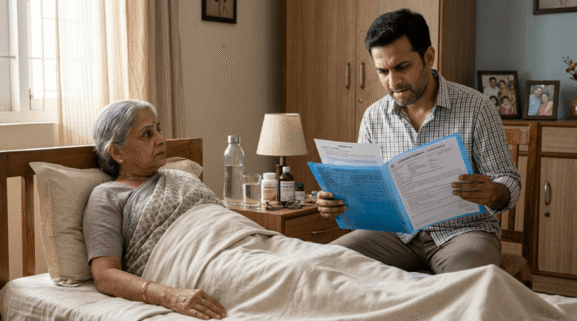
The most common health emergencies in seniors include falls, heart attacks, strokes, respiratory distress, diabetic emergencies, infections, and medication-related complications. While aging increases vulnerability, many emergencies are preventable or manageable with early awareness, timely response, and structured preparedness. Families that plan in advance reduce hospitalizations, complications, and panic during crises.
Why Are Seniors More Vulnerable to Health Emergencies?
Aging brings predictable physiological changes:
- Reduced balance and muscle strength
- Slower reaction time
- Multiple chronic conditions
- Polypharmacy (use of multiple medications)
- Weakened immunity
In India, delayed medical attention and fragmented caregiving further increase emergency risk.
Key Insight: Most senior health emergencies escalate due to late recognition and lack of preparation, not sudden illness alone.
What Are the Most Common Health Emergencies in Seniors?
1. Falls and Fall-Related Injuries
Falls are the leading cause of injury-related hospitalisation in seniors.
Common Triggers
- Poor lighting
- Slippery floors
- Unstable footwear
- Dizziness due to medication
- Vision impairment
Warning Signs
- Recent imbalance
- Fear of walking
- Frequent near-falls
Impact: Fractures, head injuries, loss of confidence, long-term mobility decline.
2. Heart Attacks (Myocardial Infarction)
Cardiac emergencies remain a top cause of senior mortality in India.
Common Symptoms in Seniors
- Chest pressure (may be mild)
- Breathlessness
- Excessive sweating
- Jaw, back, or arm pain
- Sudden fatigue or nausea
Note: Seniors may not experience classic chest pain, leading to dangerous delays.
3. Stroke (Brain Attack)
Stroke requires immediate medical attention.
FAST Warning Signs
- Face drooping
- Arm weakness
- Speech difficulty
- Time to call emergency services
Delays beyond the “golden window” significantly reduce recovery chances.
4. Respiratory Distress
Includes asthma attacks, COPD exacerbations, pneumonia, or choking.
Red Flags
- Rapid or labored breathing
- Bluish lips or fingertips
- Wheezing or persistent cough
- Sudden confusion
Respiratory issues worsen quickly in older adults.
5. Diabetic Emergencies
Low or high blood sugar can be life-threatening.
| Condition | Common Signs |
|---|---|
| Hypoglycaemia (Low sugar) | Sweating, confusion, shakiness, fainting |
| Hyperglycaemia (High sugar) | Extreme thirst, frequent urination, drowsiness |
Medication errors or missed meals are frequent triggers.
6. Severe Infections and Sepsis
In seniors, infections may present without fever.
Subtle Symptoms
- Sudden confusion or delirium
- Weakness or falls
- Reduced appetite
- Low blood pressure
Urinary tract infections and pneumonia are common causes.
7. Medication-Related Emergencies
Incorrect dosage or drug interactions can cause:
- Dizziness
- Bleeding
- Kidney injury
- Cardiac rhythm issues
Polypharmacy is a major risk in older adults.
How Can Families Prepare for Senior Health Emergencies?
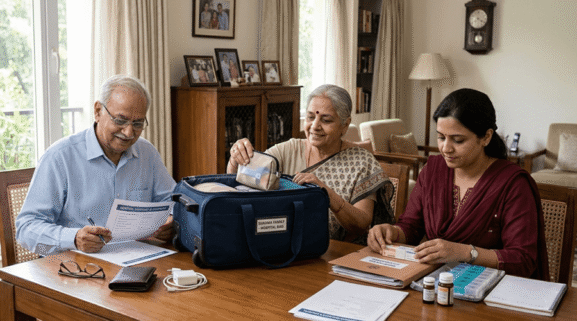
1. Create a Senior Emergency Plan
Every household with seniors should have:
- Emergency contact list
- List of chronic conditions
- Current medications and dosages
- Doctor and hospital details
- Insurance and ID copies
Keep both digital and printed versions.
2. Make the Home Safer
Fall-proofing reduces emergency risk significantly.
Simple Safety Measures
- Anti-slip mats in bathrooms
- Grab bars near toilets
- Adequate night lighting
- Clear walkways
- Stable footwear
3. Know When to Act — Not Wait
Many families delay emergency care hoping symptoms will pass.
Rule: If symptoms are sudden, worsening, or unfamiliar— act immediately.
4. Train Caregivers and Family Members
Basic training saves lives:
- Recognising stroke or heart attack signs
- Managing low blood sugar
- Safe lifting techniques
- Emergency calling protocols
5. Use Emergency and Care Services Proactively
Access to rapid response services reduces fatal delays.
| Service Type | Why It Matters |
|---|---|
| Emergency ambulance | Faster response time |
| Home nursing | Early detection of issues |
| Companionship services | Monitoring for changes |
| Assisted living | 24/7 supervised care |
How Can NRIs Prepare for Senior Emergencies in India?
Distance increases risk if systems are unclear.
Smart Preparation for NRIs
- Identify a local emergency contact
- Register with reliable ambulance services
- Use verified care providers
- Maintain shared digital health records
- Schedule regular health check-ins
Prepared systems matter more than physical presence.
How Senior Care Joy Helps Families Prepare for Emergencies
Senior Care Joy supports families by:
- Connecting them with verified emergency, healthcare, and elder care services across India
- Providing clear, India-specific guidance on senior safety and preparedness
- Helping families plan before emergencies occur, not during crises
This trust-first approach reduces panic, delays, and avoidable complications.
Final Thoughts
Health emergencies in seniors are common—but they are not unpredictable. Awareness, early action, and preparedness dramatically improve outcomes. Families that plan ahead protect not only physical health, but also dignity, confidence, and peace of mind.
Key Takeaways
- Falls, heart attacks, strokes, infections, and medication errors are leading senior emergencies
- Early recognition saves lives
- Home safety and emergency planning reduce risk
- Caregiver awareness is critical
- Prepared families respond calmly and effectively
- Verified support systems simplify emergency decisions