
Summary
No, forgetfulness is not always dementia. Occasional memory lapses—such as misplacing keys or forgetting names—are common with normal ageing, stress, or fatigue. Dementia involves progressive, persistent memory loss that interferes with daily functioning, along with changes in thinking, behaviour, or personality. The key difference lies in frequency, severity, progression, and impact on independence.
Why Do Memory Changes Happen as We Age?
Memory is not a single function. It includes:
- Short-term recall (what you just heard)
- Working memory (holding information temporarily)
- Long-term memory (events, skills, facts)
With age, processing speed and retrieval may slow, but stored memories remain largely intact. This is normal ageing—not disease.
Common Non-Dementia Causes of Forgetfulness
- Stress or anxiety
- Poor sleep
- Depression
- Vitamin deficiencies (e.g., B12)
- Medication side effects
- Hearing or vision loss
- Grief or major life transitions (e.g., retirement)
Many of these causes are reversible.
What Is Normal Age-Related Forgetfulness?
Normal forgetfulness is occasional, non-progressive, and does not disrupt daily life.
Examples of Normal Memory Changes
- Forgetting names but recalling them later
- Misplacing items occasionally
- Taking longer to learn new information
- Missing appointments occasionally but remembering with reminders
Importantly, individuals are aware of these lapses and can usually compensate.
What Is Dementia-Related Memory Loss?
Dementia is a clinical syndrome, not a normal part of aging. It involves decline in:
- Memory
- Reasoning
- Language
- Judgment
- Ability to perform daily activities independently
The most common type is Alzheimer’s disease, but dementia has multiple causes.
How Can You Tell the Difference Between Normal Forgetfulness and Dementia?
Key Differences at a Glance
| Aspect | Normal Forgetfulness | Concerning Memory Loss |
|---|---|---|
| Frequency | Occasional | Frequent, worsening |
| Recall | Information often remembered later | Information not recalled at all |
| Daily function | Independent | Needs assistance |
| Awareness | Person notices the lapse | Often unaware or denies it |
| Progression | Stable over time | Gradually progressive |
| Orientation | Knows time/place | Confused about time/place |
Rule of thumb: If memory issues interfere with daily life, they warrant evaluation.
What Are Early Warning Signs That Need Attention?
Seek medical advice if you notice:
- Repeating the same questions frequently
- Getting lost in familiar places
- Difficulty following conversations
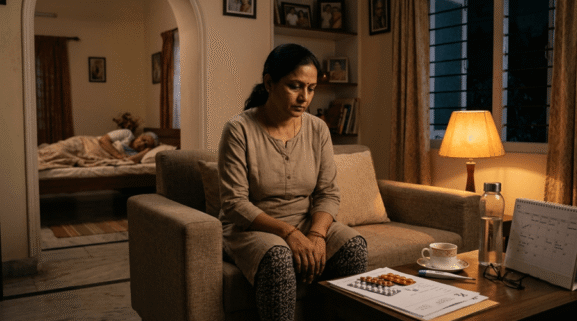
- Trouble managing finances or medications
- Personality or behavior changes
- Withdrawal from social activities
- Poor judgment or decision-making
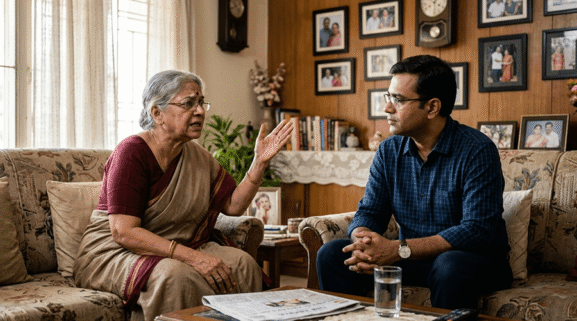
Early signs are often noticed first by family members, not the individual.
Is Forgetfulness After Retirement or Stress a Red Flag?
Not necessarily.
Major life changes—such as:
- Retirement
- Bereavement
- Illness
- Relocation
can temporarily affect attention and memory. In India, emotional stress is often expressed as forgetfulness,masking anxiety or depression.
Key Insight
If memory improves with:
- Better sleep
- Emotional support
- Routine
- Reduced stress
it is unlikely to be dementia.
How Is Dementia Diagnosed?
There is no single test. Diagnosis involves:
- Medical history
- Cognitive assessments
- Functional evaluations
- Blood tests (to rule out deficiencies)
- Brain imaging when needed
Early diagnosis helps families:
- Plan care
- Slow progression with treatment
- Reduce fear and uncertainty
What Should Families in India Do First?
Step-by-Step Approach
- Observe patterns, not isolated incidents
- Talk calmly, without blame or fear
- Rule out reversible causes(sleep, nutrition, mood)
- Consult a doctor or neurologist if concerns persist
Avoid dismissing symptoms as “just old age”—but also avoid panic.
How Can Memory Be Supported at Any Age?
Evidence-Based Brain Health Practices
- Regular physical activity
- Social interaction
- Mental stimulation (reading, puzzles, learning)
- Adequate sleep
- Balanced nutrition
- Managing hearing and vision issues
These practices support both normal aging and early cognitive decline.
How Senior Care Joy Helps Families Navigate Memory Concerns
Senior Care Joy supports families by:
- Offering clear, stigma-free education on memory loss and dementia
- Connecting families with verified senior wellness, medical, and care providers
- Helping caregivers understand when to monitor, when to act, and how to plan
The focus is on clarity and confidence—not fear—during one of aging’s most sensitive topics.
Final Thoughts
Forgetfulness alone does not mean dementia. The distinction lies in impact, progression, and independence. Understanding what is normal—and what is not—helps families respond early, wisely, and compassionately. Awareness, not alarm, is the strongest first step.
Key Takeaways
- Occasional forgetfulness is a normal part of aging
- Dementia causes progressive memory loss that affects daily life
- Stress, depression, sleep, and nutrition often mimic memory problems
- Early evaluation improves outcomes and reduces anxiety
- Families play a critical role in early recognition
- Trusted guidance and verified support make decision-making easier